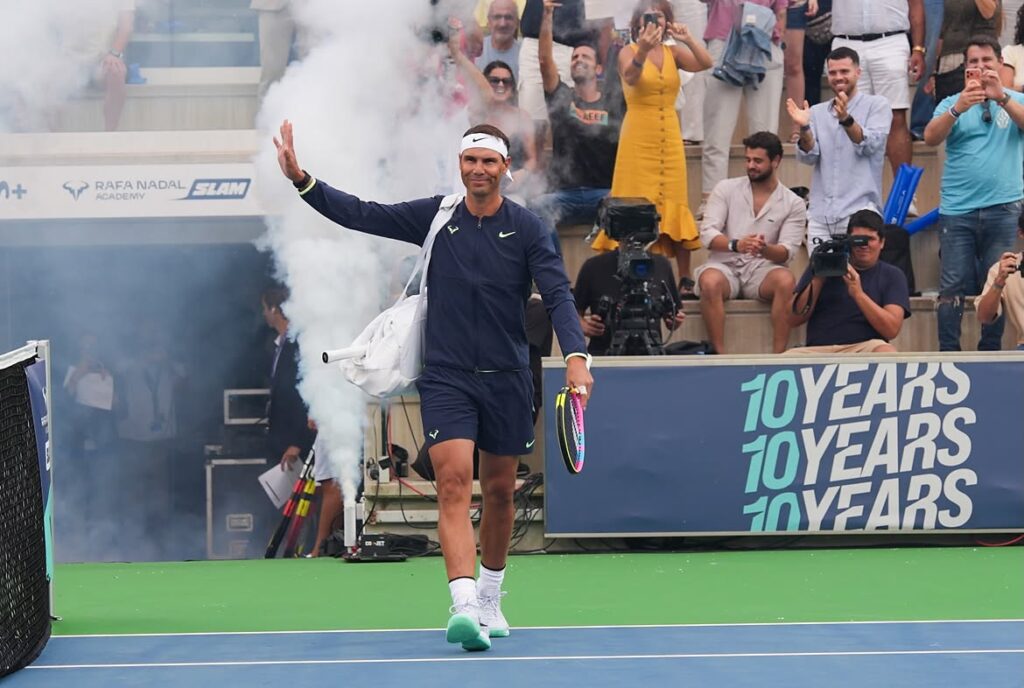



PARIS – Rafael Nadal’s success and legendary mindset cannot be understood without the influence of his uncle Toni—the man who molded one of the most resilient and privileged minds in sports history. Yet, the prolific relationship between nephew and uncle, between tennis player and coach, eventually cracked. It is a professional divorce heavily explored in RAFA, the new Netflix docuseries set to premiere on May 29th.
The anxiety crisis Nadal suffered between the 2015 and 2016 seasons was a pivotal turning point in their bond. “I was choking on my own saliva,” the tennis player recalls in the documentary regarding that low point, which even led him to seek help from a psychiatrist. During that period of soul-searching, Nadal decided he needed to bring a new voice into his team. He implies that Uncle Toni’s relentless demands had reached a limit, and he needed different advice and new methods.
“For me, it was a difficult feeling because I felt that bringing someone else in was hurting Toni,” Nadal explains during the docuseries. In fact, the Spaniard reveals he didn’t tell Toni himself because he couldn’t bring himself to do it: it was his father, Sebastià—Toni’s brother—who broke the news during the autumn of 2016.
“Toni is my brother, but my son comes first. Toni might not have been happy, but we understood it was beneficial for Rafa,” Sebastià says. The decision was made to bring in Carlos Moyà to form a coaching duo. In their very first Grand Slam under this new formula—the 2017 Australian Open—Nadal reached the final after a bleak stretch of ten consecutive majors without making it past the quarterfinals.
Everything was moving in the right direction, but then came a surprise in February. Toni Nadal unexpectedly announced that 2017 would be his last year alongside his nephew. “Until he was 17, I decided everything myself. Then Carlos Costa arrived as an agent, and his father also got closer, each with their own opinions. The truth is that every year I decide less and less, so we will reach the point where I decide nothing at all. I have traveled with Rafael for many years. Now I want to go back to overseeing the education of young players, and our Academy is the perfect place,” the coach said at the time. Up to that point, it was all within reason.
The strange part was that Toni Nadal announced it during an interview with an Italian media outlet from a coaches’ conference in Budapest. Neither his nephew, his brother, nor Moyà knew anything about it. Nadal was practicing in Manacor that day when his phone began to blow up. “He said in the press that he was going to stop working with me, that it was his last year,” the tennis player recounts in the docuseries. “That’s how we found out. Rafa didn’t know anything, I didn’t know anything, he didn’t say a word to anyone… We found out through the press,” Moyà adds.
At this point in the documentary, a sequence of revealing statements unfolds:
- Sebastià Nadal: “The normal thing would have been for him to tell us before telling the press. But he must have had his reasons.”
- Toni Nadal: “I like to feel useful in life. What I can contribute now is very little, and that’s why I made the decision to leave. I don’t think it was a shock for him.”
- Rafael Nadal: “I felt a bit shocked. He was my uncle, and the influence he had on me was greater than anyone else I’ve ever had. I was afraid to think about how I would react without Toni.”
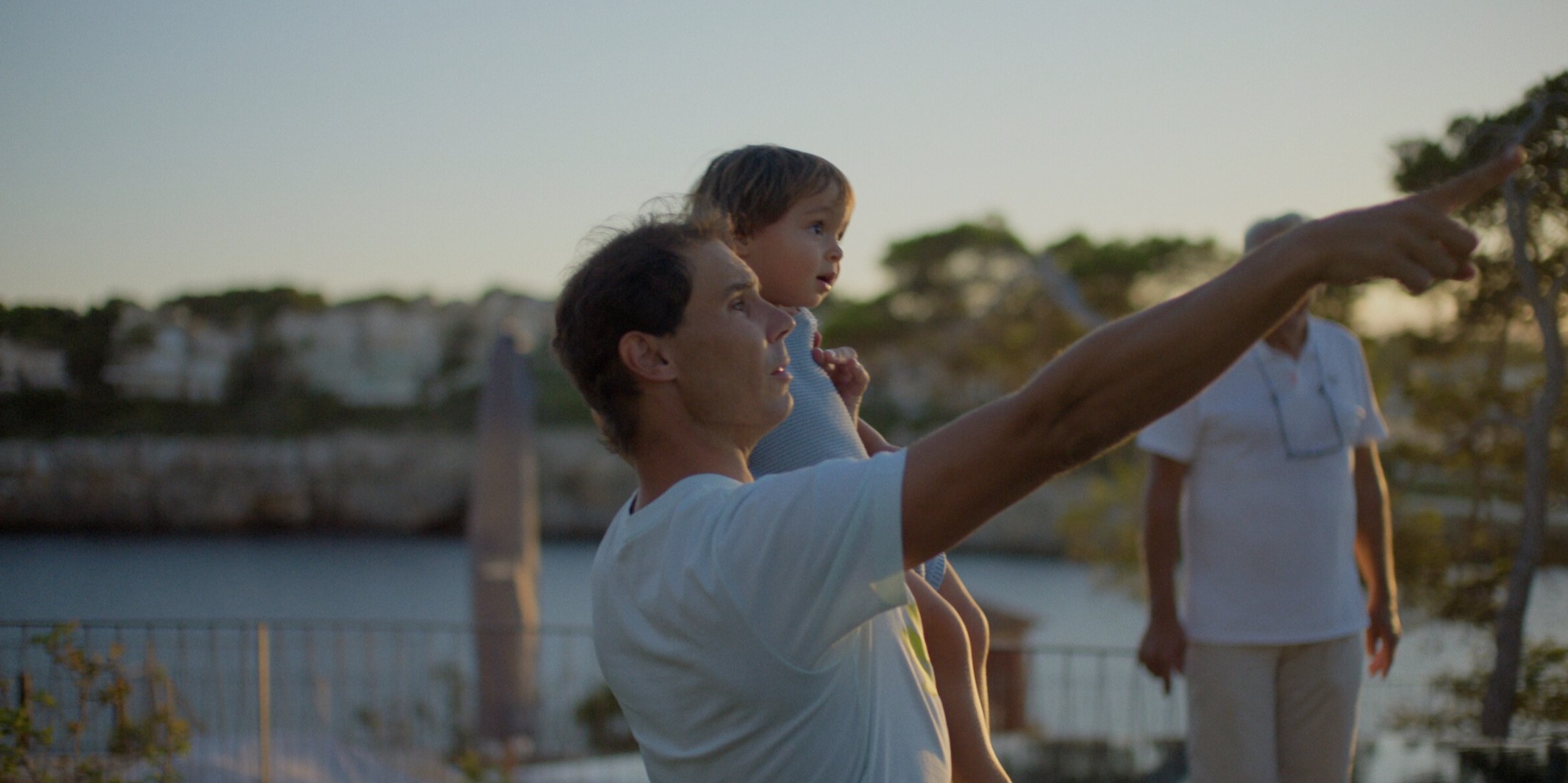
Toni Nadal finally stepped aside in December 2017, leaving Moyà in sole charge. With the former world No. 1 in his corner, Nadal captured his final eight Grand Slam titles. And it brought an internal shift. Nadal freed himself: “I lived the final years of my career with a sense of freedom and less tension than when Toni was around.”
“He evolved and changed his self-perception a bit, and that’s why he had so much success after turning 30. It gave him an extra boost of self-belief. He learned to relax a little bit, to have a daily routine where he is actually enjoying himself,” recounts Rafael Maymò, Nadal’s lifelong physiotherapist, in one of the chapters of RAFA.
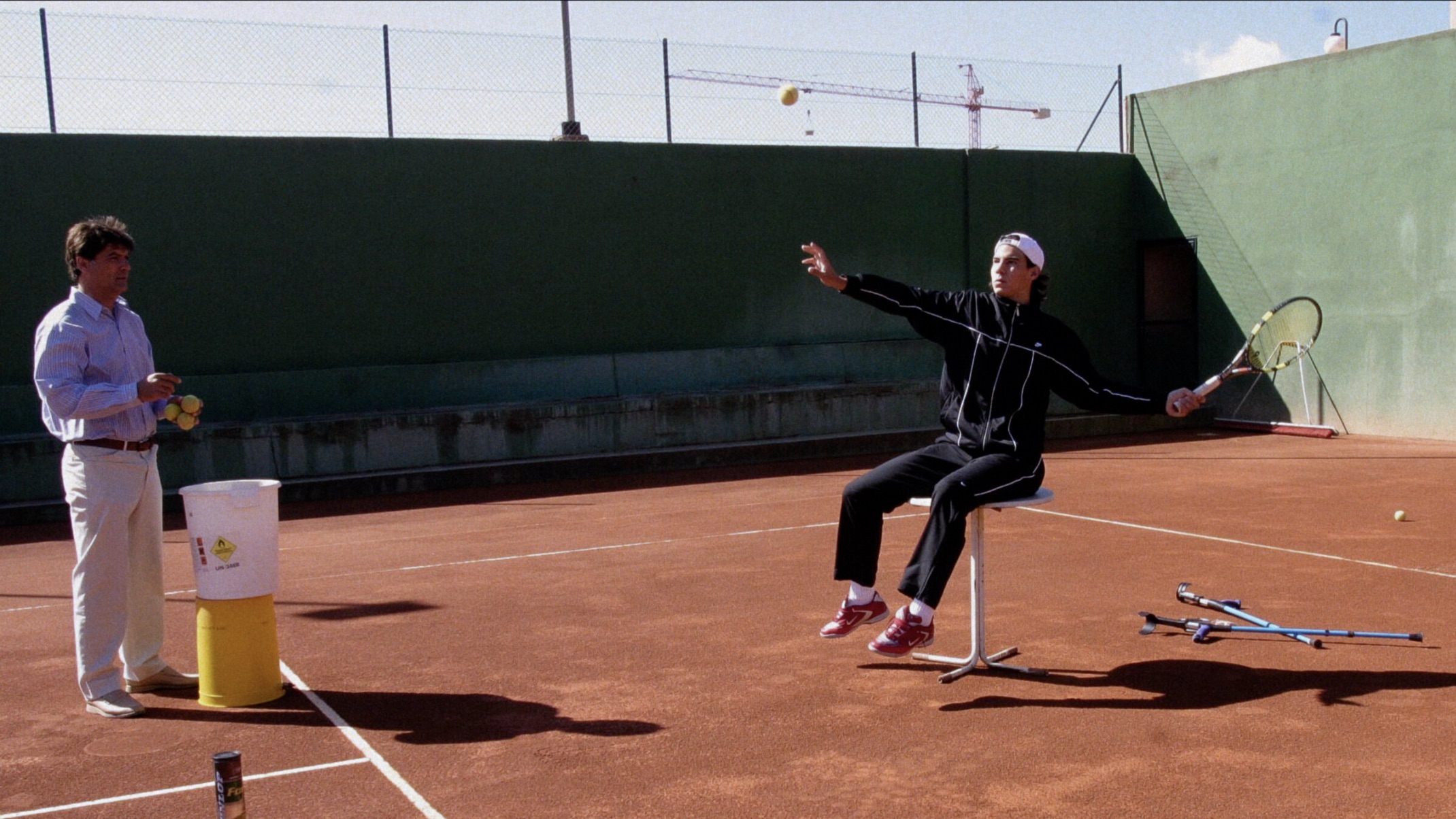
This newly found ability to “relax” came after the documentary highlights the grueling psychological weight Toni Nadal placed on his nephew. “It was much less pressure to play against any rival than it was to practice with Toni. I would miss a ball and he would ask me, ‘Why did you miss?’ I was always terrified of making the next mistake,” the 22-time Grand Slam champion reveals at one point. “From the time I was a kid, I had that motivation to enjoy challenges. I liked difficult things; I was brought up by Toni that way.”
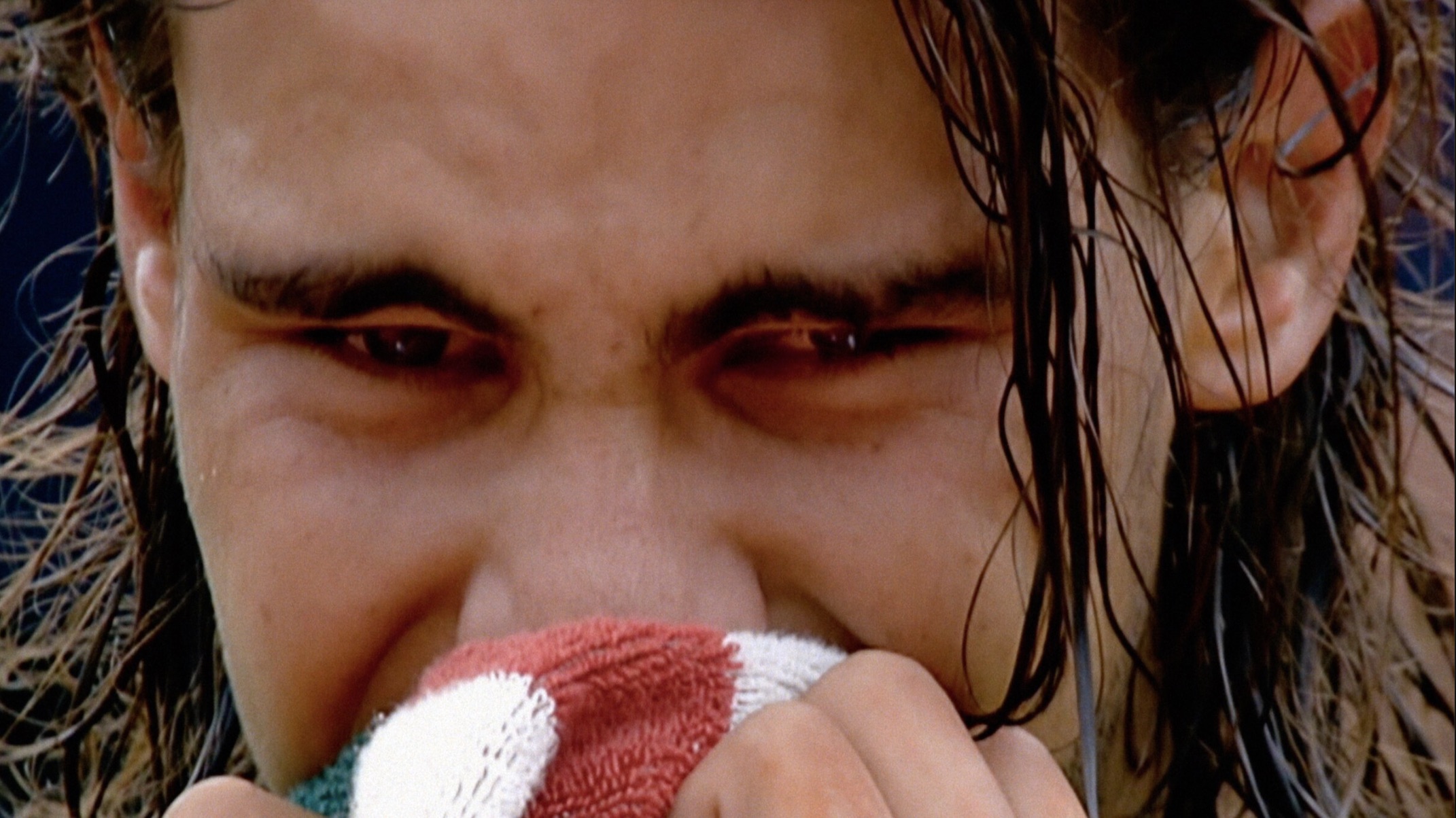
“Only once did I tell him I couldn’t take it anymore. I left the court completely shattered and crying. But I never went home crying. I would have never wanted my father to go and ask Toni to be less hard on me. My feeling was that I would have let Toni down by not being a strong enough person to take it,” Nadal adds in another segment of the series.
The 14-time Roland Garros champion makes it crystal clear that the architect behind his warrior mentality was his uncle Toni, who tightened the screws and pushed him to the absolute edge in every single practice session, teaching him how to suffer, how to sacrifice himself a millimeter more every day, and how to explore his own boundaries over and over again.
“If you had asked me at the time, ‘Do you agree with this?’ I would have told you no. But it was a philosophy, knowing how to suffer through sports,” says Ana María Parera, the tennis player’s mother, who also shares her perspective on the world of extreme demands her son lived in.
“As a mother, I was worried about so much pressure.”
Do you love CLAY? Support us on Ko-fi and follow us on Instagram, X (Twitter) and Facebook.