

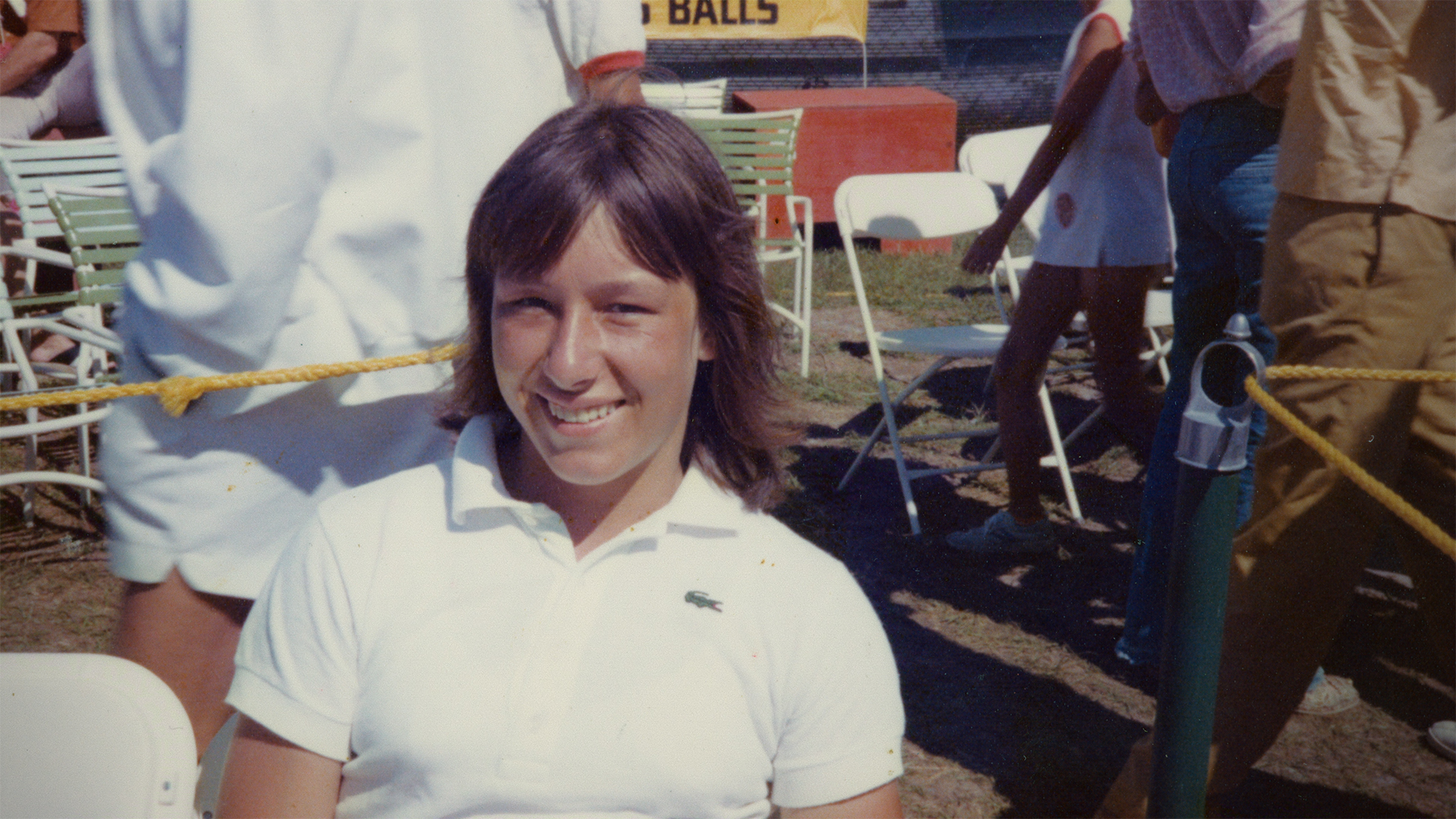

Martina Navratilova made one of the most important decisions of her life in 1975: defecting from her native Czechoslovakia and starting the process to obtain U.S. citizenship. She was just 18 years old, her career was taking off, and her entire body trembled as she signed the papers at the immigration office in New York.
Navratilova was thinking about her family—her mother and her sister—and about Řevnice, the town outside Prague where she had grown up happy. “It was definitely the hardest on my mom. No doubt about it. And my sister too I think because I was her big sister. And protector and shared everything with her. She was still not even teenagers, around twelve. I still feel guilty to this day,” Navratilova confesses in ‘Chris & Martina: The Final Set’, the recently released documentary on Netflix.
Ver esta publicación en Instagram
In the film, the former World No. 1 and winner of 18 Grand Slam singles titles reveals unseen details of her defection from former Czechoslovakia, a nation behind the Iron Curtain at the height of the Cold War. It is necessary to weigh the heavy political context and the extreme youth of the tennis player in 1975 to fully understand the scale of that rift.
“I love my American friends. I just fell in love with everything Americana. I fit right in. I was a total Yankee. In 1975 I got in trouble with the Czech Federation because I was hanging out too much with the American players. With Chris, Billie Jean and Rosie Casals. They said, ‘Oh, you are too Americanized and you need to hang out with the Russian players more,’” Navratilova recalls. “They were not gonna let me play the United States Open. And that’s when I thought, ‘Oh my God, if they let me out, I’m not coming back.’”
Ultimately, the player was able to travel to New York. Before competing, she spoke secretly with her agent and confessed her plans. Only two other people knew about the decision, and one of them was Chris Evert, the World No. 1 at the time and her closest friend on tour. “I knew the defection was gonna happen, but I didn’t know what it entailed. Then she told me that she might not see her parents again ever,” explains Evert, the other central figure of the documentary.
After losing in the US Open semifinals, Navratilova gathered her courage and followed through. “The next day I went to the Immigration and Naturalization Service (INS) office in New York. I had to sign all these papers and swear that I was not a communist spy. They said, ‘Okay, we approve you for a green card. And don’t tell anybody.’”
The secret did not last long. “The next day the phone rings and it’s my chaperone. She says, ‘Why did you do it?’ Oh my God, she knows. I’m like, ‘How do you know?’ So it’s in the Washington Post. Somebody leaked it. ‘Tennis player asks for asylum.’ Bam.”
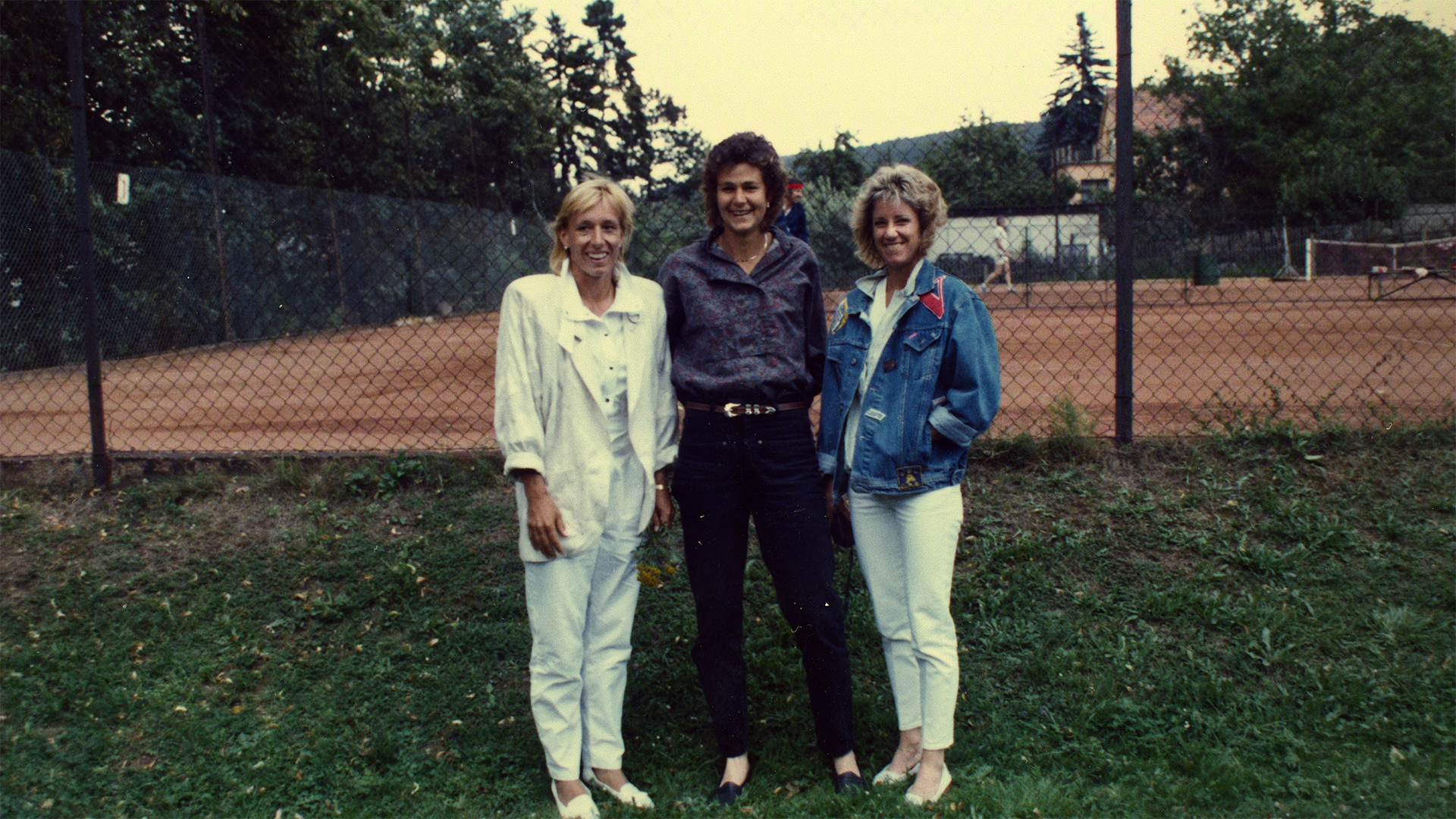
The news quickly crossed the Atlantic and penetrated the Iron Curtain. The impact of the defection hit hard at the family home in Řevnice. “It was like a hammer on your head. Mom almost fainted and cried. And I started to cry, it was like a disaster. The first reaction was we will never see each other again. Imagine something happened. She’s alone and nobody can help her. This was, I think, the worst thing. She’s left alone in this world. I felt like I lost my sister,” confesses the tennis legend’s younger sister.
The weeks following her defection were immensely complicated for Navratilova. “I don’t think anybody can fully understand Martina’s experience right after the defection in the first year,” Evert warns in the film before Navratilova reveals the hardest part of those days.
“They threatened me with two years in prison for defecting. For a week I was kind of in hiding in case the Czechs would try to decide to kidnap me and take me back. And in fact, for a month they were following me around. My life was a mess. I was just so different from everybody else,” says the tennis legend. “Being alone, that was the cost after the match. Other players would have their family, but my family couldn’t be there. The first tournament that I ever won, I hugged a pole because I was alone.”
Three years after that leap of faith, Navratilova lifted the first of her 18 Grand Slam titles on the grass at Wimbledon. The Czech-born American would go on to become one of the greatest athletes of all time, shattering records and redefining tennis forever. Her family’s dire predictions did not come true, and Navratilova was also able to return home.