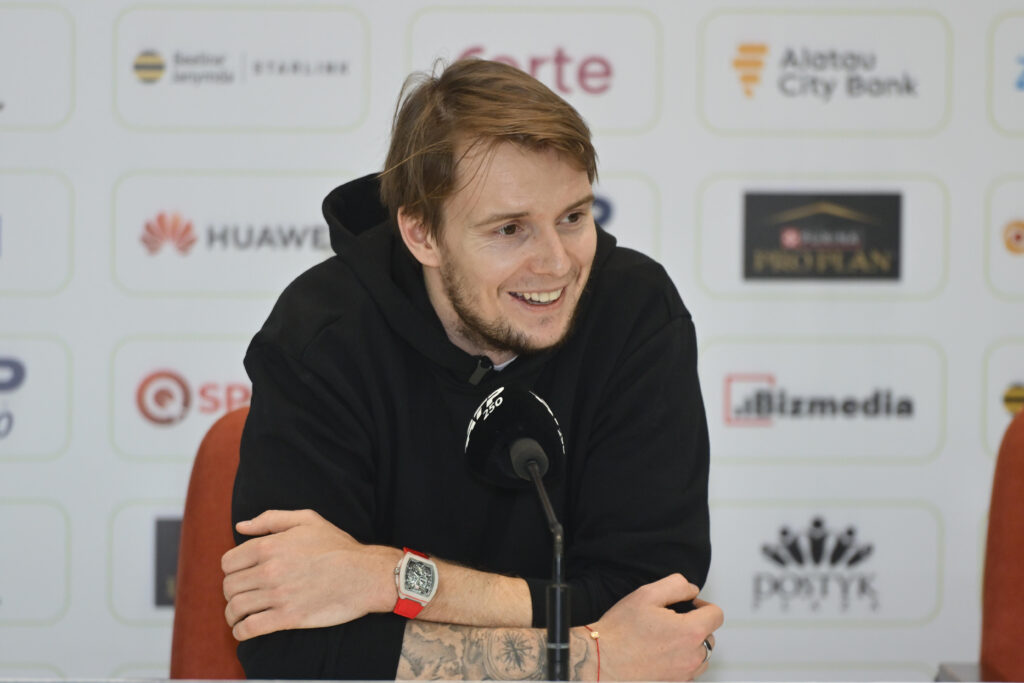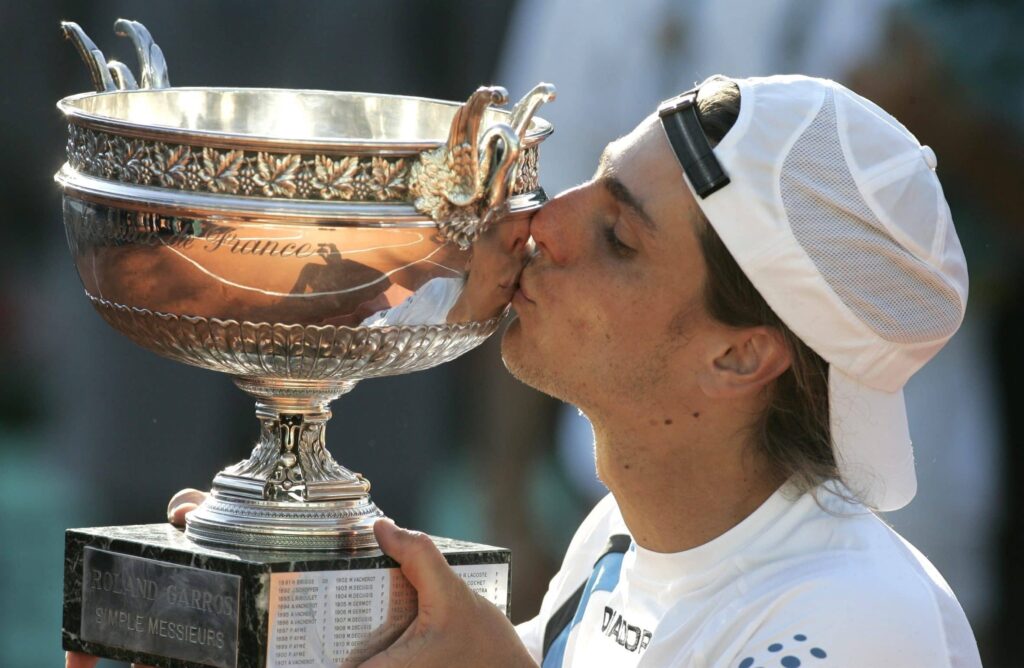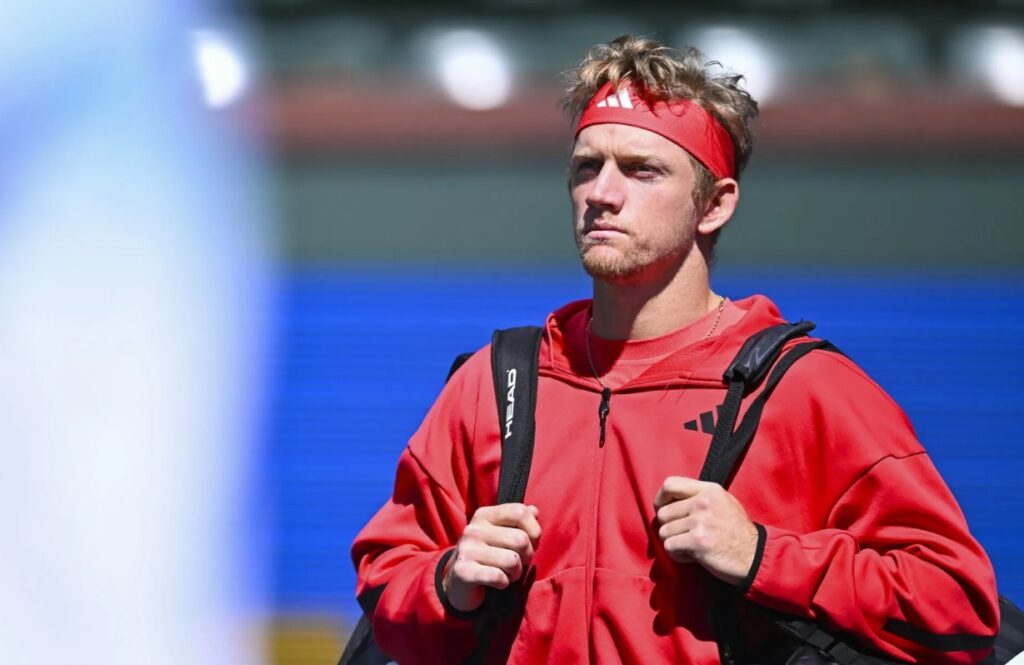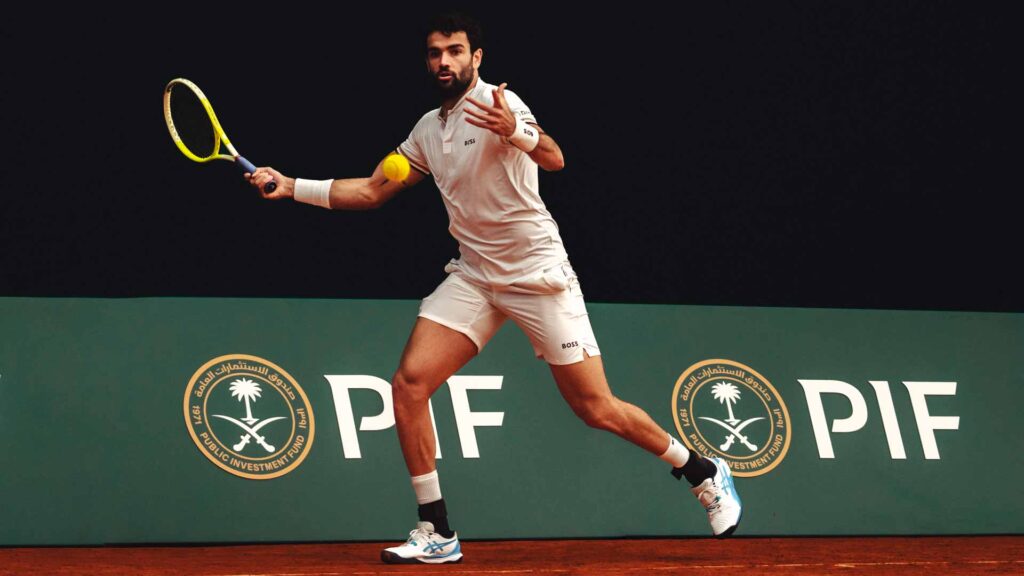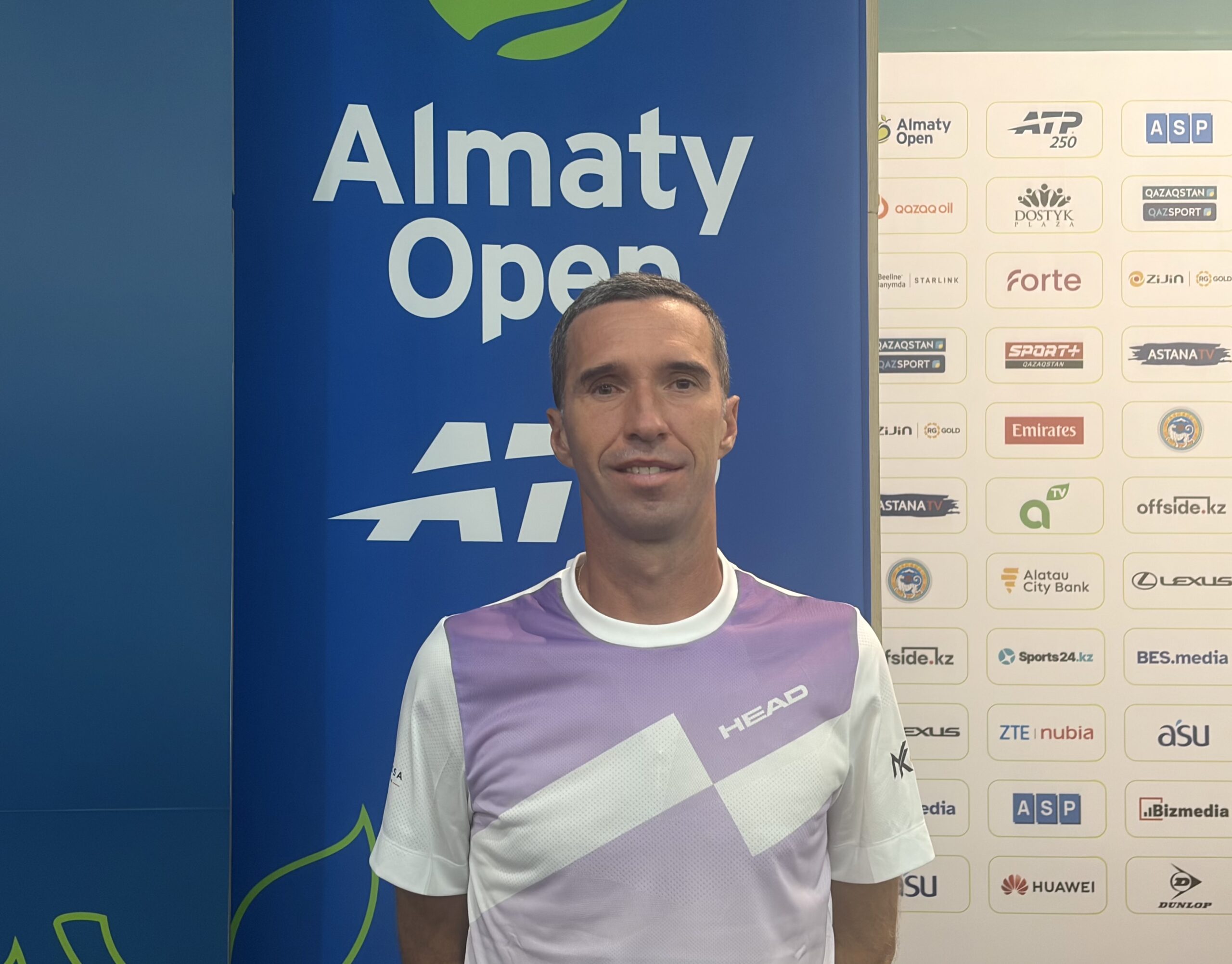

ALMATY – Another player born in the 1980s is retiring from tennis in 2026. Mikhail Kukushkin joins Gael Monfils, Stanislas Wawrinka, Kei Nishikori and Roberto Bautista Agut. “It’s a strange feeling because I’ve been doing this my whole life, but at the same time I know it’s time to stop,” he told CLAY.
The former world No. 39, who is bidding farewell to professional tennis this week at the Almaty Open, was part of tennis’s most successful generation. “Those days are gone, everything is different now. I’m going to miss those years and tournaments,” he told CLAY before opening his campaign with a victory over Greece’s Stefanos Sakellaridis.
Kukushkin, 39, reflected emotionally on his two decades on tour: his role as a pioneer in the switch of Russian players to Kazakhstan, memories of when his generation dominated the circuit, and the mental toll of his final years as a professional: “We lose practically 99% of the weeks, even when we give our best. Losing is something I won’t miss.”
Interview with Mikhail Kukushkin
– Retirement week is never easy. How are you handling that mix of emotions?
It’s been 20 years on the tour and now I’m playing my last tournament. It’s crazy and I’m still processing it. I felt ready, but when I got here and started all the pre-tournament routines, the practice sessions and the conversations with the other players, I had a strange feeling, because I’ve done this my whole life, but at the same time I know it’s time to leave tennis.
– What was the trigger for making the decision?
My ranking recently, over the last few years, wasn’t where I wanted it to be. Even at times last year when I felt I was playing well and winning some matches, my ranking didn’t improve.
– I imagine there are also things you won’t miss.
For sure. The travelling and the hard work, because even though I like hard work, all those hours of training and fitness are tough. Also the losses. When you lose every week, it’s tough mentally, it’s not easy. As professional players, we lose about 99% of the weeks, even when we give our best, so I definitely won’t miss that. Being a professional tennis player has a lot of positives and some negatives, but I think this is 100% the right moment for me to leave.
– Wawrinka, Nishikori, Monfils, Bautista Agut and you. All born in the 1980s and all retiring in 2026.
It’s crazy that so many good players are retiring in the same year. The days when we played together are gone, now everything is different. There’s a new generation playing completely different tennis. When I watch tournaments on TV, every week there’s a new face. Now they play much harder, much more aggressively, a completely different kind of tennis to what it used to be. It’s a little sad, but that’s how it has to be with everything. I’m definitely going to miss those years and those tournaments.
– You mention the differences on court, but do you think the locker room has changed too?
A little. The new players, especially the youngest ones, aren’t afraid of anyone. Maybe that’s a good thing, at least from the outside, because that’s what allows them to go on court and play their best tennis. Sharing a locker room with the young players is a bit different compared with the older generation, but that’s very normal; it depends on which generation you’re from. It’s different, but at the same time it’s fine, it’s normal, that’s the way it has to be. I’m lucky to have experienced so many different generations.
– You were one of the first Russian players to switch allegiance to Kazakhstan. Why did you back that project?
When I started in 2008, it was a very new project. A new federation with new people, but with a good plan. It wasn’t easy, because nobody knew what was going to happen or how it would turn out, but I believed in the project, because when I met Bulat Utemuratov, president of the federation, I understood that he had very serious plans for the future of tennis in Kazakhstan.
– It’s different now; it has become a very common move.
In 2008, almost no one played tennis here. Nobody knew anything about tennis; there was literally zero knowledge of the sport, its history or its tournaments, and we had to build everything practically from scratch. Thanks to Utemuratov, we have what we have now. It’s crazy, I still can’t believe it. We have a two-time Grand Slam champion and world No. 1. We have an ATP 250, we once had an ATP 500, and we’ve been very successful in the Davis Cup and the Billie Jean King Cup. We have Alexander Bublik too. The project was very good, and now the results are there for everyone to see.
– What comes next for you after this week?
Coaching at the academy I opened this summer in Spain. It’s a very small academy, not one of those huge mass academies; let’s say it’s a boutique academy where I pay attention to every player. It’s got off to a very good start and we have a lot of good players, so for the moment I’ll stay in tennis through that, but let’s see where I am in a few years.