

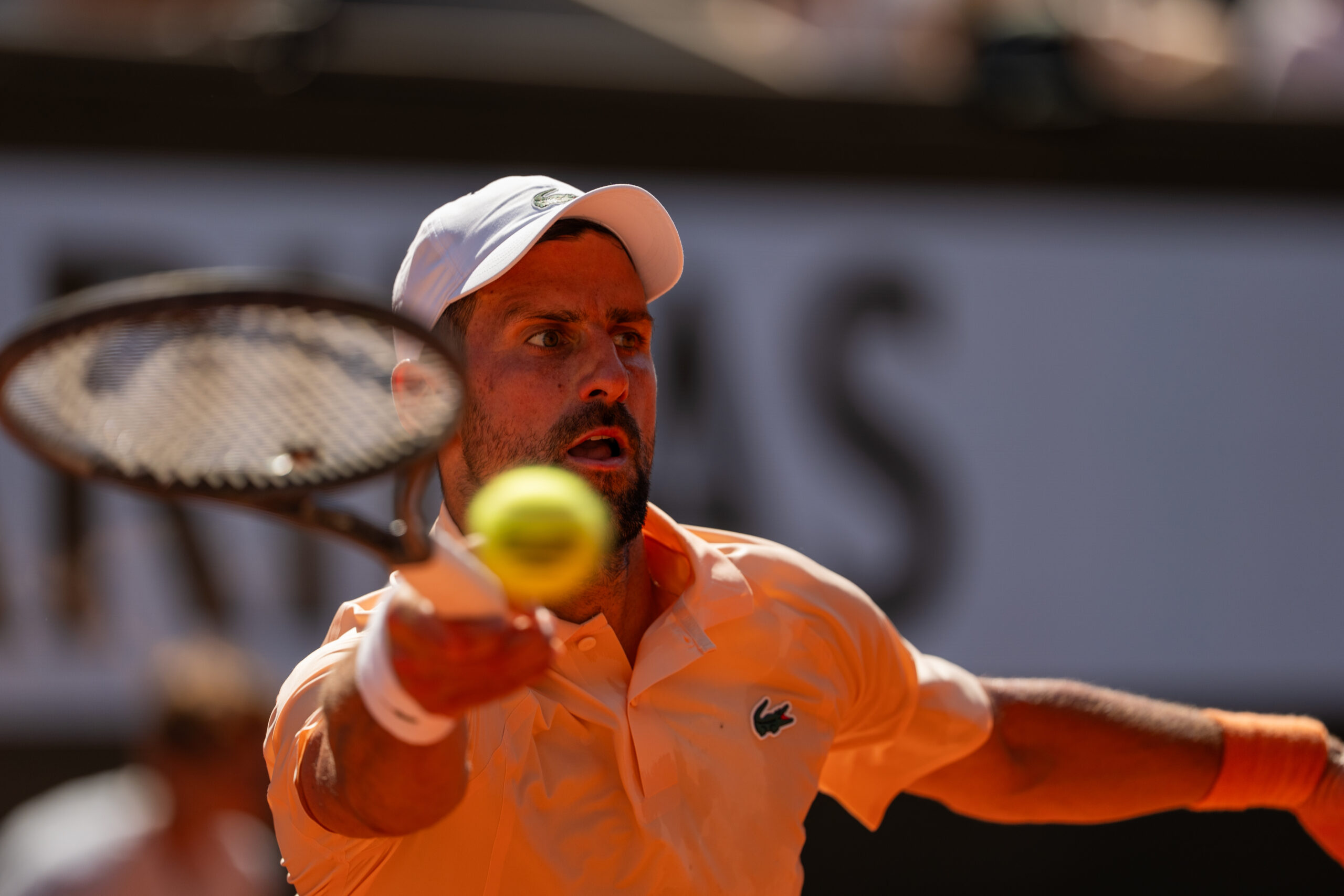

PARIS – Is Novak Djokovic tired? Now that’s news, but following his earliest exit from Roland Garros in 16 years, the Serbian’s future on the tour is uncertain.
“I don’t know,” he replied twice when asked by journalists after the epic match he lost on Friday to Brazil’s Joao Fonseca.
“I don’t know,” says the 39-year-old Serb when asked if he will play at Roland Garros again in 2027 and, by extension, if his years as a professional tennis player are nearing their end.
The 2026 season could be described as the first in which the Serbian, the most successful tennis player of all time, ran out of steam, out of energy. It happened against Fonseca, although that lack of ‘gas’ has been evident throughout the year.
“I ran out of steam, to be honest,” was Djokovic’s explanation after a match he had dominated 2-0 in sets but ended up losing in five sets to a player 20 years his junior who could easily be his son.
But as important as the clash with the Brazilian was, it is above all a sign that something is no longer as it was during his career spanning more than two decades.
In 2026, he played just four tournaments, with the Australian Open final as the highlight. He played 13 matches, winning nine and losing four, but in the last four months he played only seven and won just four.
For a winner like the Serb, it is frustrating not to have been able to capitalise on a tournament in which Jannik Sinner, who had been knocked out, and Carlos Alcaraz, who was injured, left the path clear for him at Roland Garros.
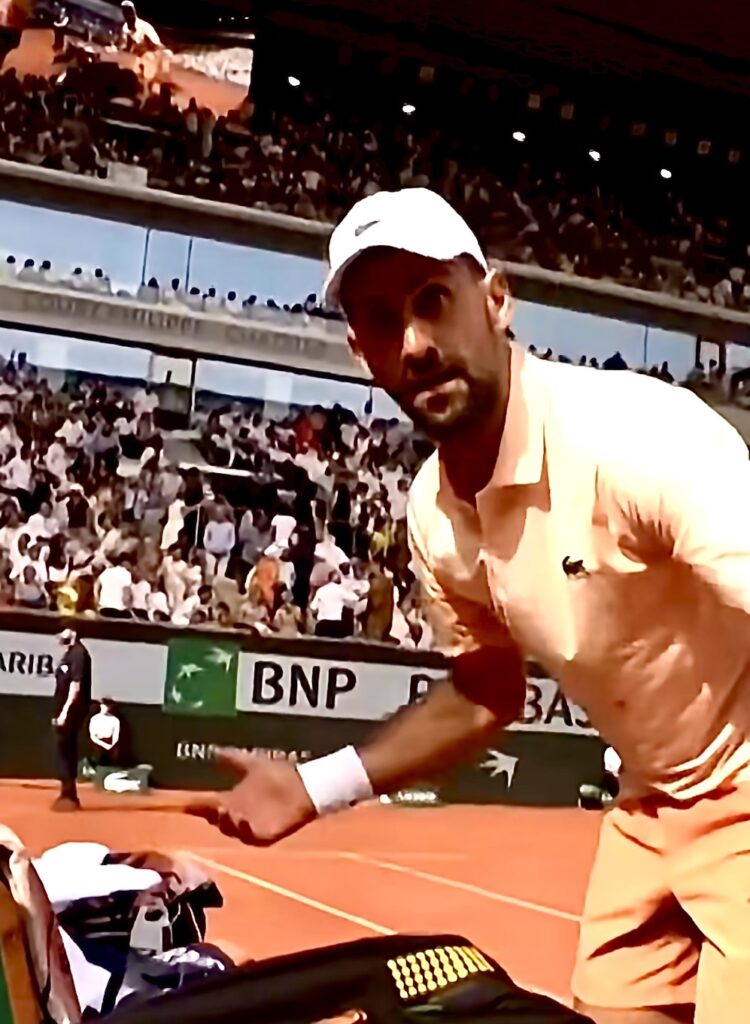
During the match against Fonseca, when a cameraman approached to film him on the bench whilst he was checking his bag, Djokovic lost his composure.
“Please, do you want to get closer to my face? For God’s sake, give me some space!” the Serbian snapped at the cameraman, who had no choice but to step back.
Hours later, during the post-defeat press conference, he interrupted a journalist as he began to ask whether he had been hopeful of winning his 25th Grand Slam following the absences of Alcaraz and Sinner: “Please, please, I know where you’re going with this. I don’t need to talk about that, I’ve just lost in five sets.”
The Serb’s face twisted in pain, feeling wounded by the mere hint of the question.
But in reality, he feels wounded by his current situation: for someone who turned the improbable into the norm, for a man who won matches in which he was completely lost and ended up prevailing on the courts and in the statistics against the duopoly of Rafael Nadal and Roger Federer, no longer being able to give his best is frustrating.
Or worse still: perhaps what he is giving today is already all he has left. All that remains.
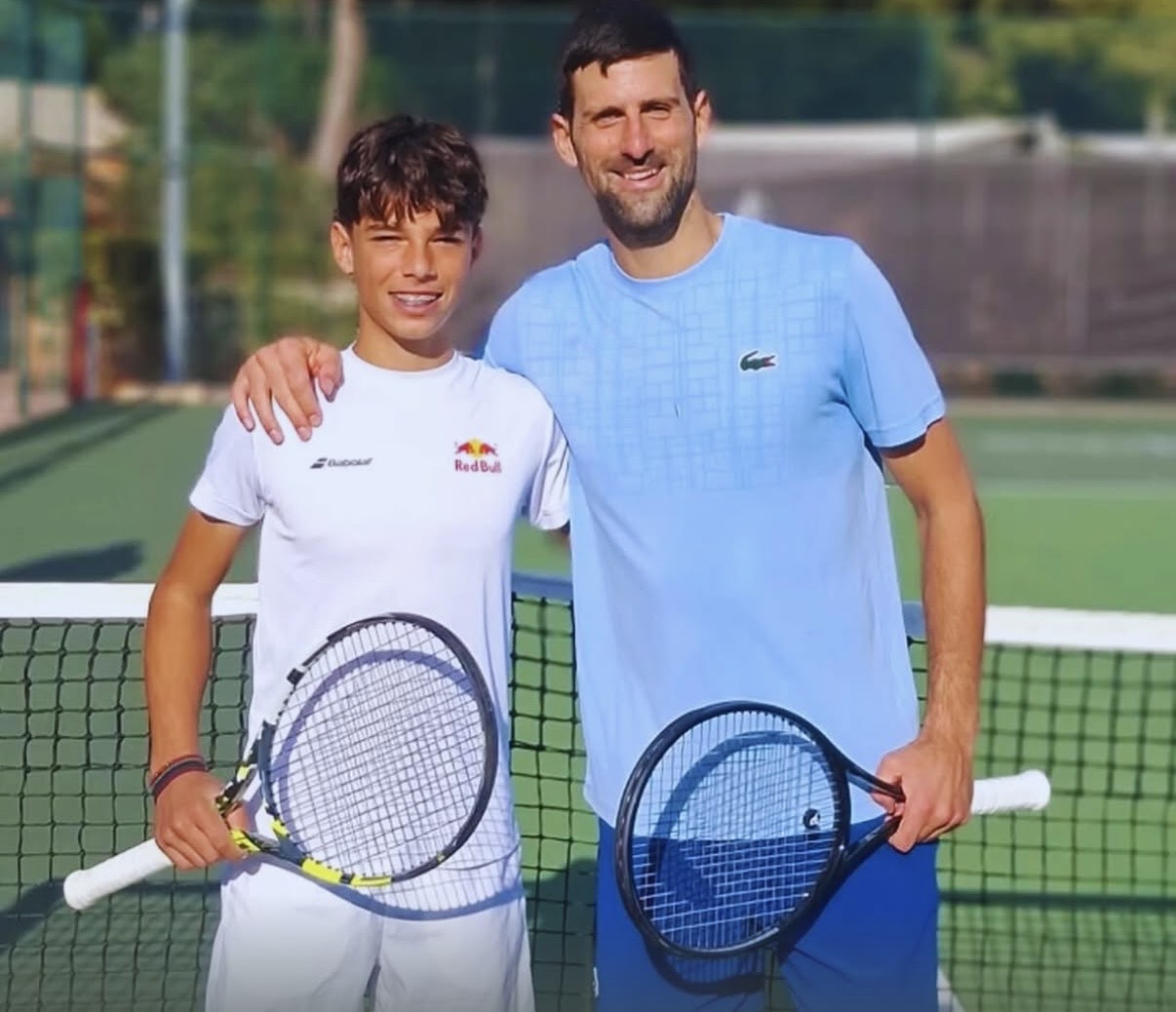
Although at times he deceives himself to avoid suffering. A few days ago he spoke of how much he likes the family of the young Greek player Rafael Pagonis and how much he wants to help him. Pagonis’s father, Djokovic said, offered him a place on the youngster’s coaching staff for when the Serb retires from tennis.
“You’re going to have to wait a long time; he’ll probably retire before I do,” Djokovic said he told Pagonis’s father before admitting the obvious: it was a joke. Sooner rather than later, Pagonis will be able to take him on.
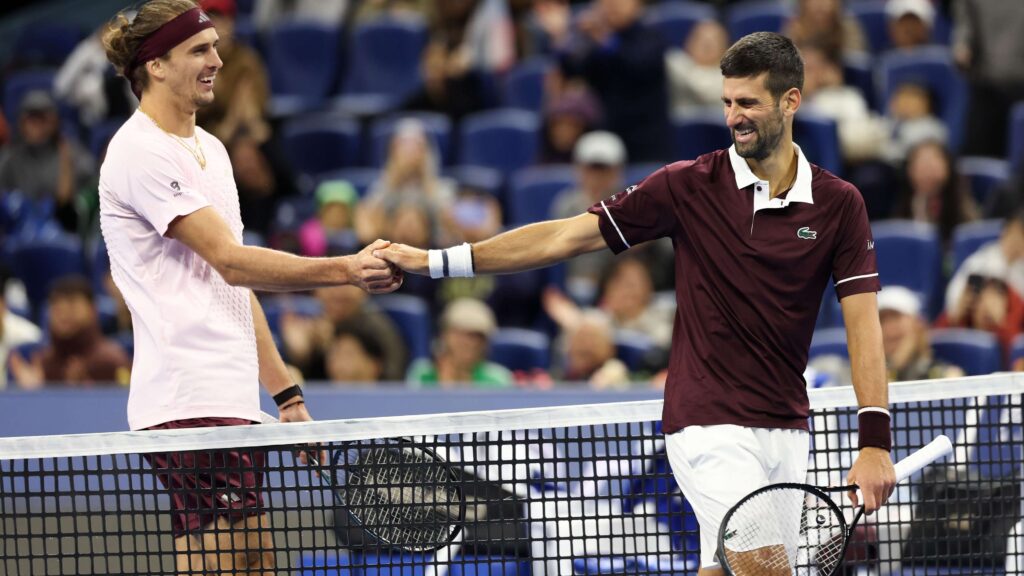
And whatever happens, there is one thing Djokovic never loses: his emotional intelligence to touch the hearts of his rivals at moments that are special to them. Fonseca experienced it first-hand; at the most momentous and emotional moment of his career, he found himself being embraced at the net by a Serbian – none other than the most successful tennis player in history – who took the trouble to congratulate him in Portuguese.
“Parabéns!” Djokovic said to Fonseca.
Do you love CLAY? Support us on Ko-fi and follow us on Instagram, X (Twitter) and Facebook.