

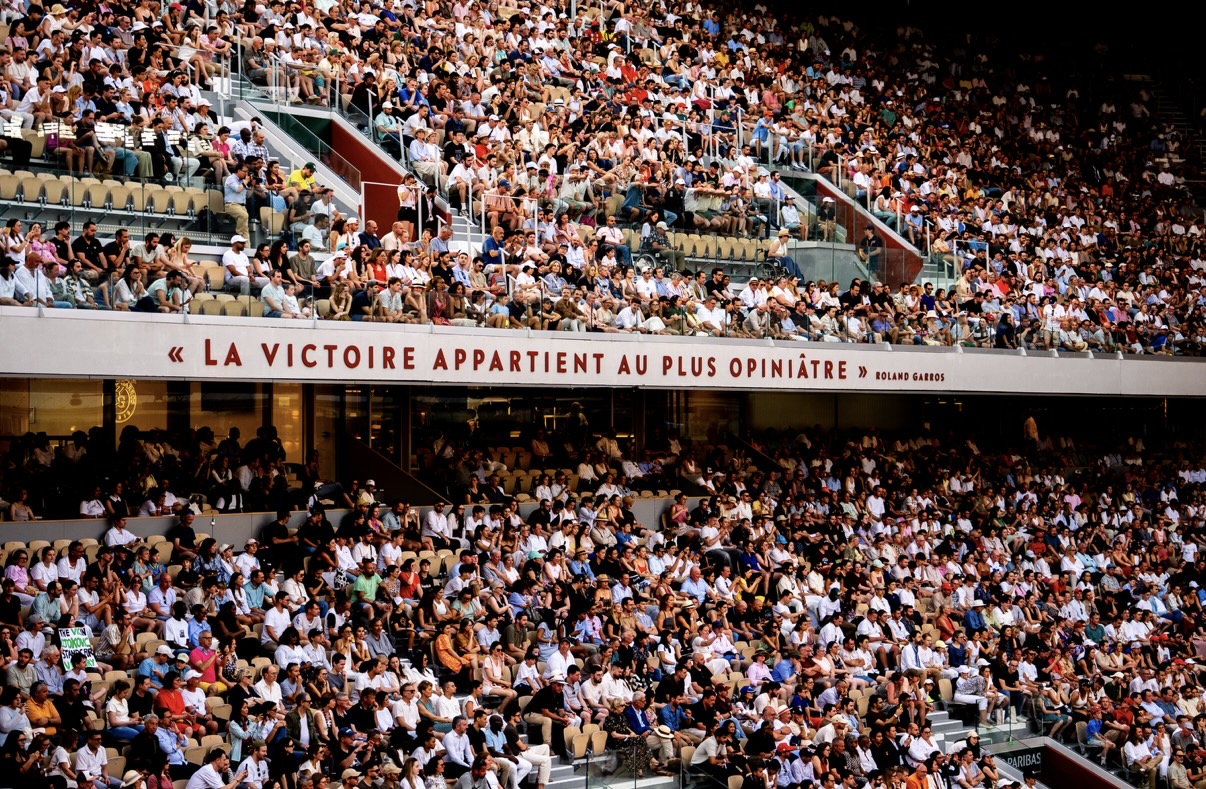

PARIS – What is happening to tennis? Roland Garros leaves us with a disturbing conclusion: that gentleman’s sport is going through a strangely violent phase. And no one seems willing or able to slow down the escalation.
The days of ‘peace & love’ during the two decades of dominance and good example set by Rafael Nadal and Roger Federer are fading fast; dialogue between the players and the powers that be in tennis is at an all-time low, and the players have lost control.
It’s not just them.
Beyond his apologies, Daniel Vallejo must surely realise by now that his theory doesn’t hold water: it is not true, as he told CLAY, that men are better than women when it comes to officiating a high-stakes match. The only certainty is that there are better and worse chair umpires. Men and women.
Vallejo was wrong, yes, but so was Roland Garros. Their reaction smacked of cancellation rather than punishment. The tournament never explained the basis for the heaviest penalty it has ever imposed. Unsportsmanlike conduct? Was there no other option before resorting to such a crippling fine? Was it not possible to talk and reach a better outcome, to agree with the Paraguayan on a visible action that would effectively benefit women, who have been the subject of discrimination since the dawn of time?
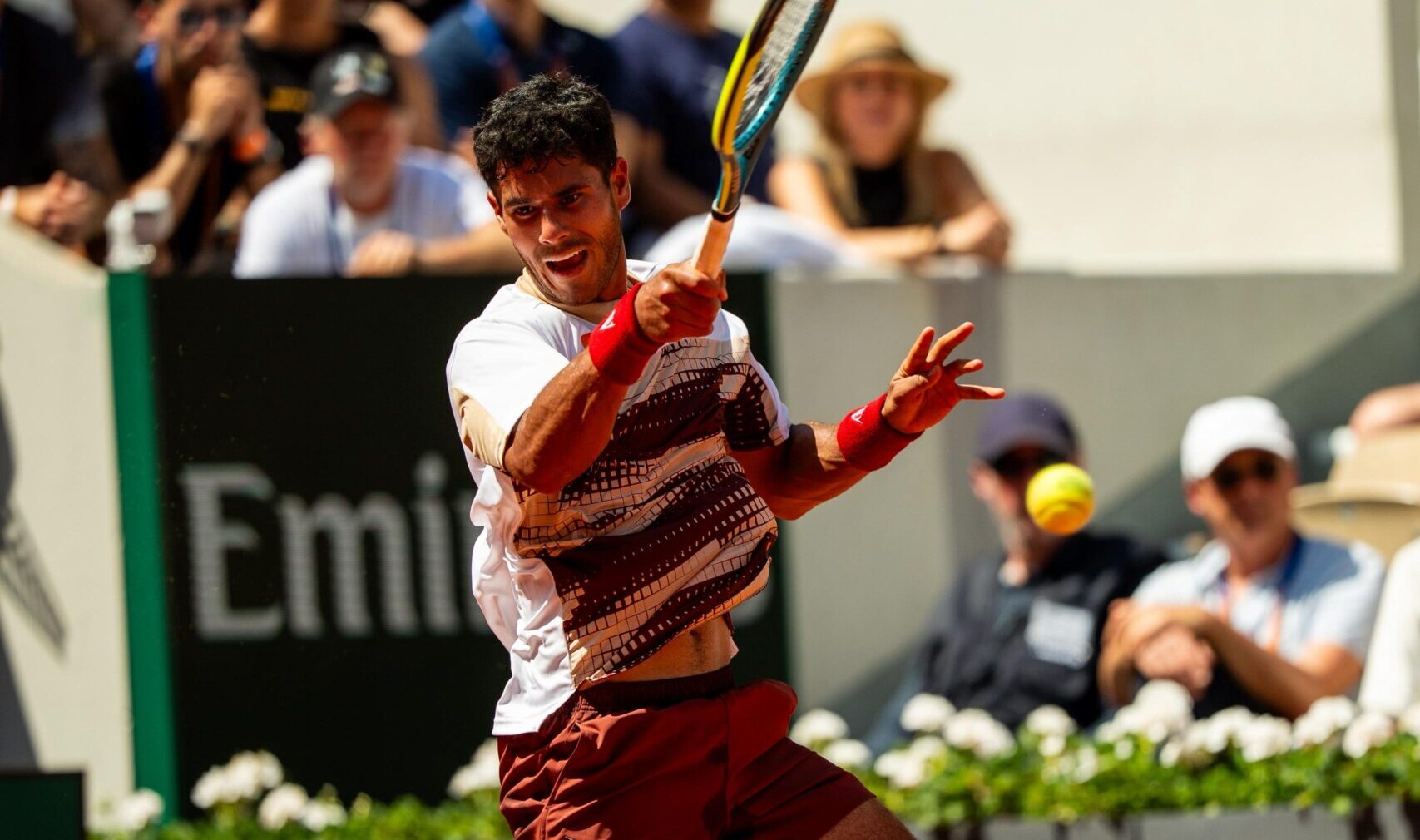
What will happen from now on to those who disagree with what is happening at a tournament, even if their approach is mistaken, absurd and even unpleasant?
What will a player do faced with the very real danger of becoming the target of insults and attacks of all kinds, of bullying, simply for speaking out and getting it wrong? Will no one dare to speak their mind anymore?
The outlook is one of profound silence on a circuit without leaders, because Carlos Alcaraz and Jannik Sinner are not leaders, nor do they wish to be. They play. Full stop.
No player came to Vallejo’s defence, and not because he is the only one who believes that Roland Garros has a serious problem in many matches featuring French players. They simply did not speak out because they do not want to risk losing some of their prize money. Nor did the PTPA, founded in its day by Novak Djokovic, offer any support to a player who was very much in the wrong, yes, but who was effectively silenced.
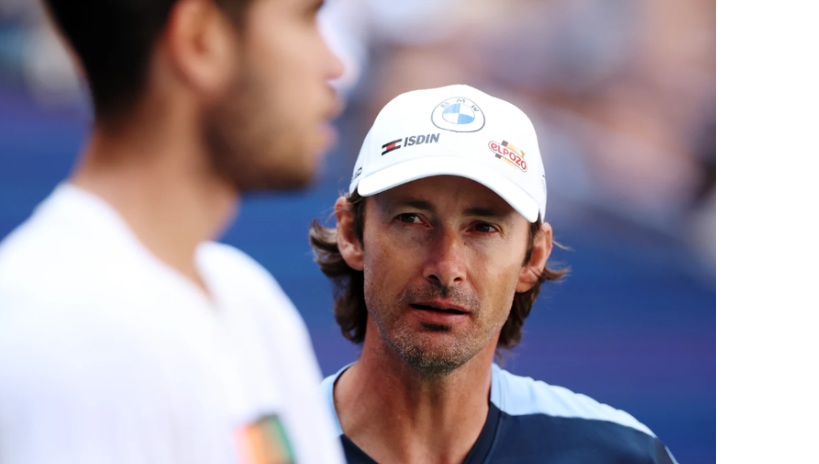
Absolute silence is never a good thing. Taken to the extreme: for good ideas to prevail, there must be bad ideas. You cannot stifle debate, nor can you engage with the most virulent logic of social media, as Juan Carlos Ferrero, Alcaraz’s former coach, recently discovered.
The former world number one has spoken at length about Alcaraz since he was sacked at the end of 2025, but it is one thing to speak, and quite another to have things put into his mouth that he never said. The interesting interview in the Italian newspaper ‘Corriere della Sera’ was grossly distorted by unscrupulous community managers from various media outlets who chopped and pasted his quotes until they made him say what he never said: that with him as coach, Alcaraz would never have bought a yacht.
The problem, however, does not lie with those in charge of these social media platforms, but with the media executives who, in their quest to boost audience figures, allow the media outlet’s own brand to be tarnished and its relationship with the protagonists to be destroyed.
Hundreds of rigorous and serious professionals at the heart of major tournaments have less power than a community manager holed up at home and determined to boost viewership and destroy journalism with a post devoid of ethics or truth. The ATP and WTA would do well to reflect on their growing passion for ‘influencers’ and the sidelining of journalism.
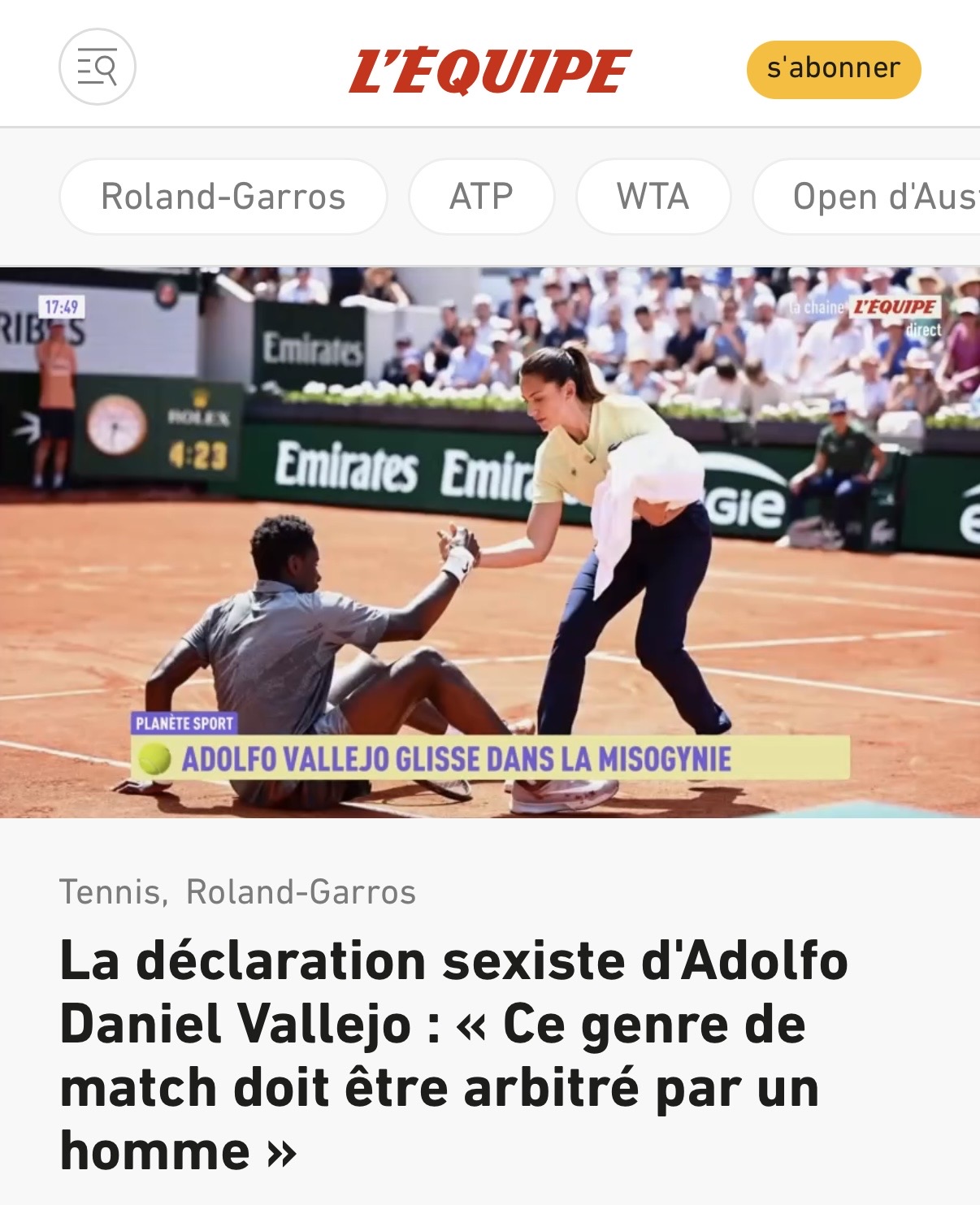
Is there dialogue in tennis? Is there debate? Less and less. Jim Courier raised the issue on the very day of the Vallejo incident: the chair umpire in the match that Sinner lost to the Argentine Juan Manuel Cerúndolo favoured the Italian. And in Vallejo’s match against Moise Kouame, the chair umpire helped the 17-year-old Frenchman up from the ground and handed him a towel.
That is not normal, it is not right, and it must be the subject of debate. Whether it is a woman or a man doing it. It is the same.
Why does the same thing happen every year at Roland Garros – the local crowd running wild when a home player is on court?
An unanswered question because dialogue is, in fact, at an all-time low. From the violent match between the American Francis Tiafoe and the Portuguese Jaime Faria, through the intractable issue of the Ukrainian players’ logical refusal to play against the Russians, to what Aryna Sabalenka said when proposing the players’ strike: the letter they had sent to the Grand Slams months earlier was never answered. That is also a form of violence; how is it possible that the most important aspect of tennis – its players – is being ignored by the tournaments?
And in turn, how is it possible that there are still so many players in the mid-table ranks, from 30th to 90th in the world rankings, who never stop complaining about the ‘sacrifice’ of their profession?
Apart from very rare cases – the Argentine striker Gabriel Batistuta said many times that he didn’t actually like football – it is reasonable to assume that if someone is a professional tennis player, it is because they are passionate about playing tennis.
Those who settle into these mid-table positions in the rankings, without needing to be stars, travel the world staying in very good hotels or apartments, with a car and driver at their disposal, and playing in unique venues. If you reach that level on the circuit, every year there is more than enough money to buy at least a couple of good flats, and a comfortable life and financial security are assured for the rest of your life.
What, then, are they complaining about?
The lack of respect is not only towards ‘ordinary’ people, who work at whatever they can, often in a job they do not enjoy, and barely earn enough to live on. It is also a lack of respect towards those players who, beyond the world’s top 100, begin to juggle everything to sustain their dream of becoming professional tennis players.
A prime example is Poland’s Maja Chwalinska, ranked 114th in the world, who will play in the Roland Garros final this Saturday, but who, whilst racking up nine consecutive victories, was struggling because she had no money to pay for her hotel. The fact that Roland Garros would reimburse her at the end of the tournament was of no help; she had no money to pay.
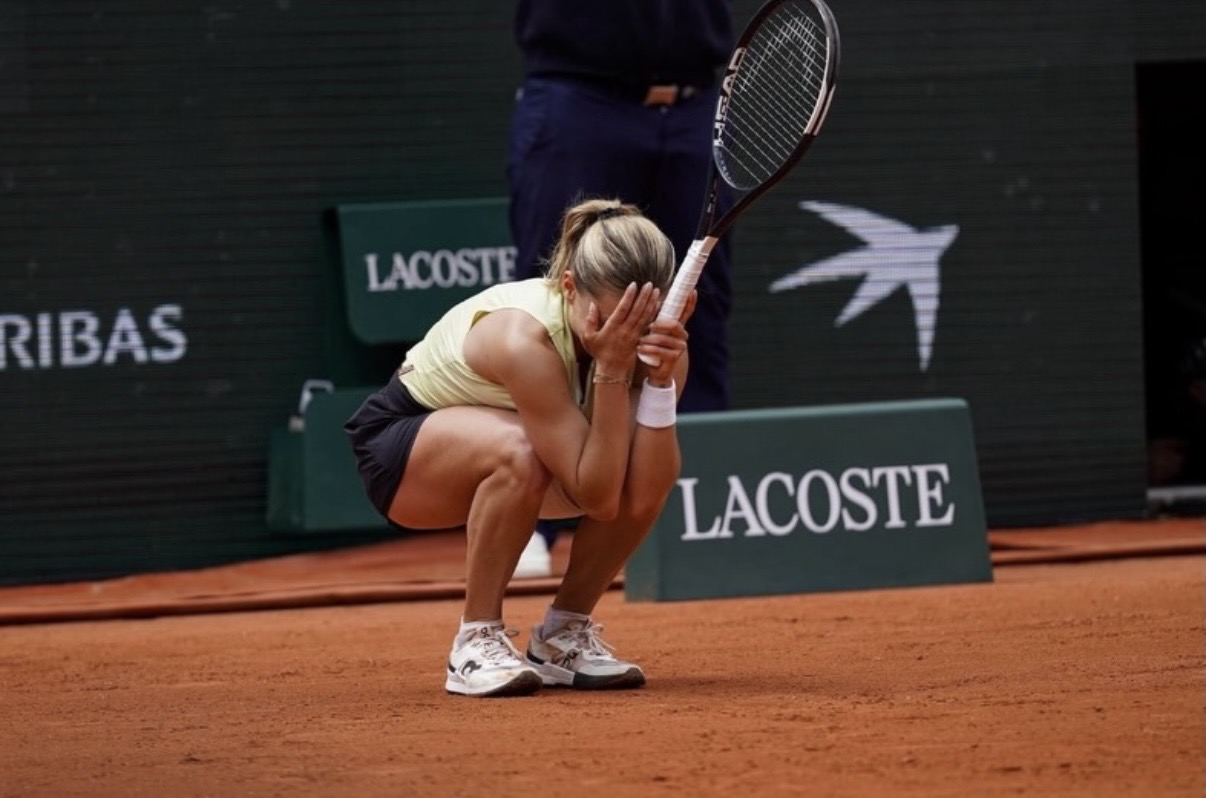
There are far too many players who are oblivious to reality: both that of others outside the bubble and their own. There have always been such players, but lately there seem to be more.
“We have recently seen some very extreme reactions, both on and off the court,” warned the captain of the Argentine Davis Cup team, Javier Frana, in a series of posts on social media platform X.
It’s true, the complaints and the insistence on “sacrifice” are constant. There are, of course, personal sacrifices, but the question is whether the benefits more than make up for them. And the answer is obvious.
‘I don’t understand it: if I’m doing what I love, I have to enjoy it,’ Brazilian doubles player Marcelo Demoliner told CLAY, making clever use of social media to showcase aspects of tennis that aren’t always seen. ‘How could I not be happy?’