


Novak Djokovic said yes. Jelena said no, to avoid it. It was the night of January 3, 2022.
The Serb ignored his wife and the next day, January 4, posted an image on Instagram with two words—“exemption permission”—that triggered the strangest and most controversial chapter in the career of the greatest tennis player of all time.
What followed over the next ten days could not have been imagined by the best Christopher Nolan. Djokovic was detained at the airport for being considered a threat to Australian public health; a fast-track trial ensued; rallies were organized in Melbourne demanding his release; his father hailed him as “the Spartacus of the new world”; the anti-vax movement embraced him as a messiah; and ultimately, Djokovic ended up deported and expelled from the country where he has written some of the finest pages of his legend.
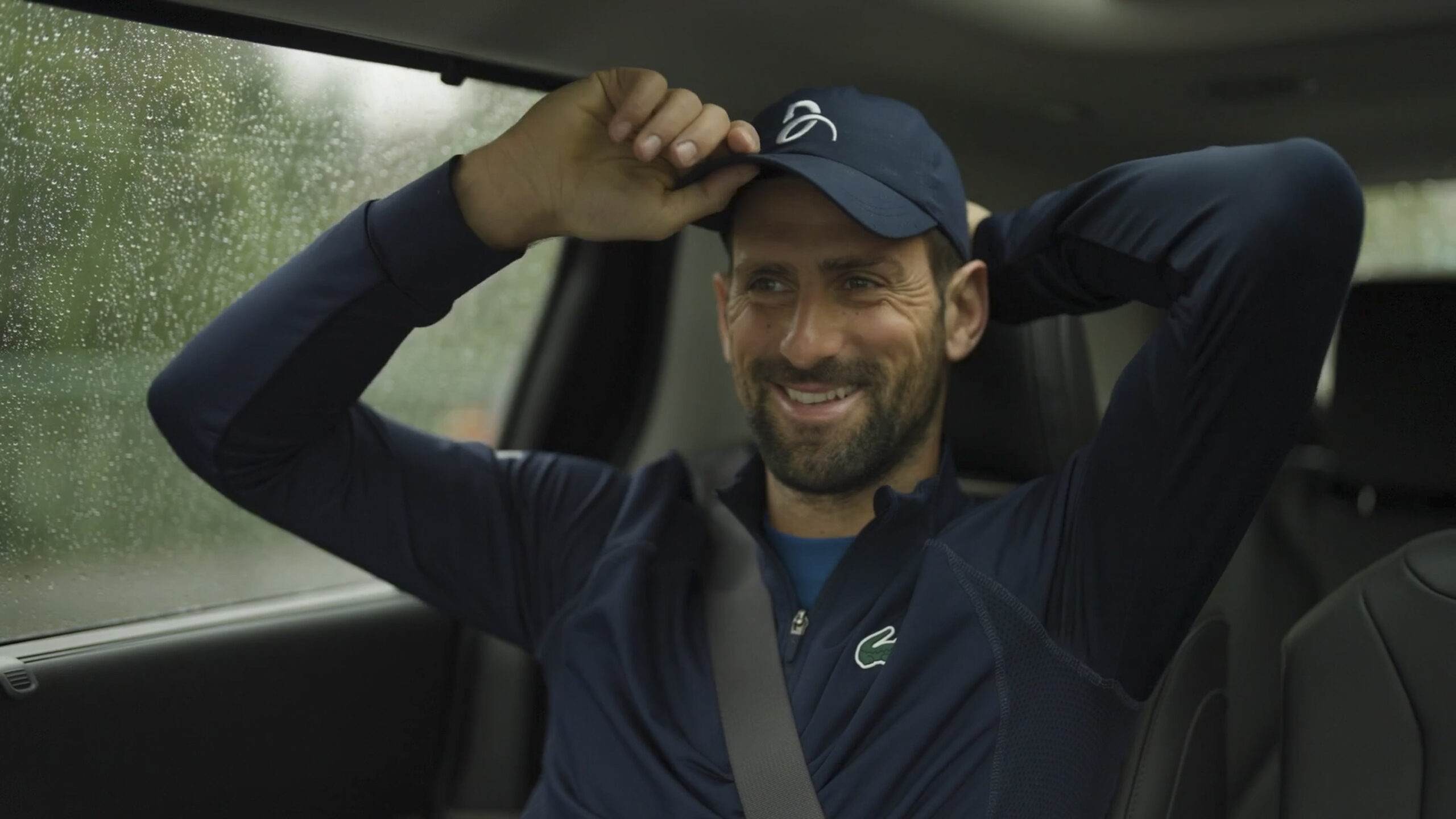
Those two words in that post were the spark that set everything ablaze. “Another reason why you should listen to your wife’s instinct,” says Djokovic in ‘Novak Djokovic: The Wolf in Winter’, a biographical documentary about the Serbian champion premiering this August 20 on Amazon Prime.
During a segment of the documentary, the 24-time Grand Slam champion revisits those days when he became the center of a global debate, just as the world was emerging, more polarized than ever, from the coronavirus pandemic. Djokovic’s name leaped from the sports pages to health and international headlines, opening news broadcasts around the world.
“The 99% Percent of people don’t know what actually happened, and they don’t have… they think that I was deported from Australia because I was not vaccinated, and that’s not true,” Djokovic defends in the documentary. “In order to travel to Australia, you either had to be vaccinated or, if you were not vaccinated, you had to give evidence that you had Corona in the previous six months. I was not vaccinated, but I had Corona twice in those six months, so I was eligible.”
“So I’ve got the special exemption. I told my wife I want to post that on my Instagram before I leave. And she said, ‘There’s no reason to post that. You can just post that you’re, you know, departing to Australia, and you’re excited to go there, and that’s it.’”
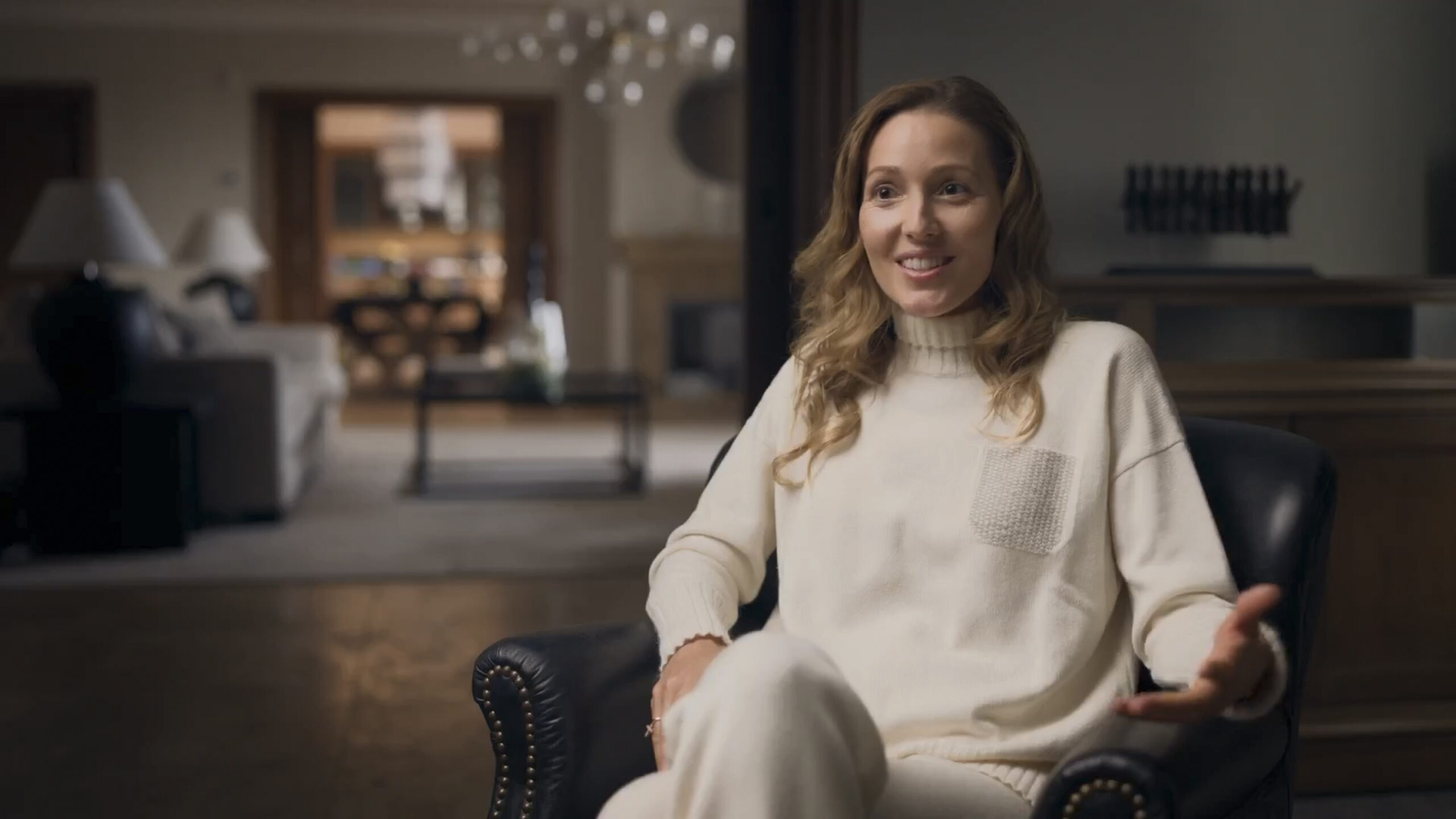
Jelena offers further details about that internal debate and Djokovic’s stubbornness: “He really insisted on saying out loud that he wasn’t vaccinated… which I… I just didn’t agree with it. I said, ‘Look, it’s your choice, please like don’t elaborate on it, because there are other people thinking differently.’ And from the moment he posted on Instagram… the hell opened.”
Djokovic traveled to Melbourne, and at border control—a gate he had passed through smoothly dozens of times—he sensed something unusual was underway. “I arrive, passport control, I already see a couple of the officers coming from the immigration zone looking at me. I’m starting to feel something isn’t right. They ask me to come with them, I don’t get a stamp, I go into that immigration zone, and I stay there from 11:00 PM to 9:00 AM,” he recalls. His personal belongings, including his mobile phone, were confiscated.
What is not told in the documentary
That marked the beginning of a ten-day legal battle. His lawyers filed an appeal against the visa cancellation, and a Federal Court initially ruled in his favor during a first hearing. Djokovic received his visa, was released, and even trained at the Australian Open facilities ahead of the tournament’s January 17 start.
However, Australian authorities reopened the case after reviewing inconsistencies in Djokovic’s account regarding travels and public appearances in the preceding months, when he was supposed to be in quarantine. Providing false information on an Australian entry declaration is considered a severe violation.
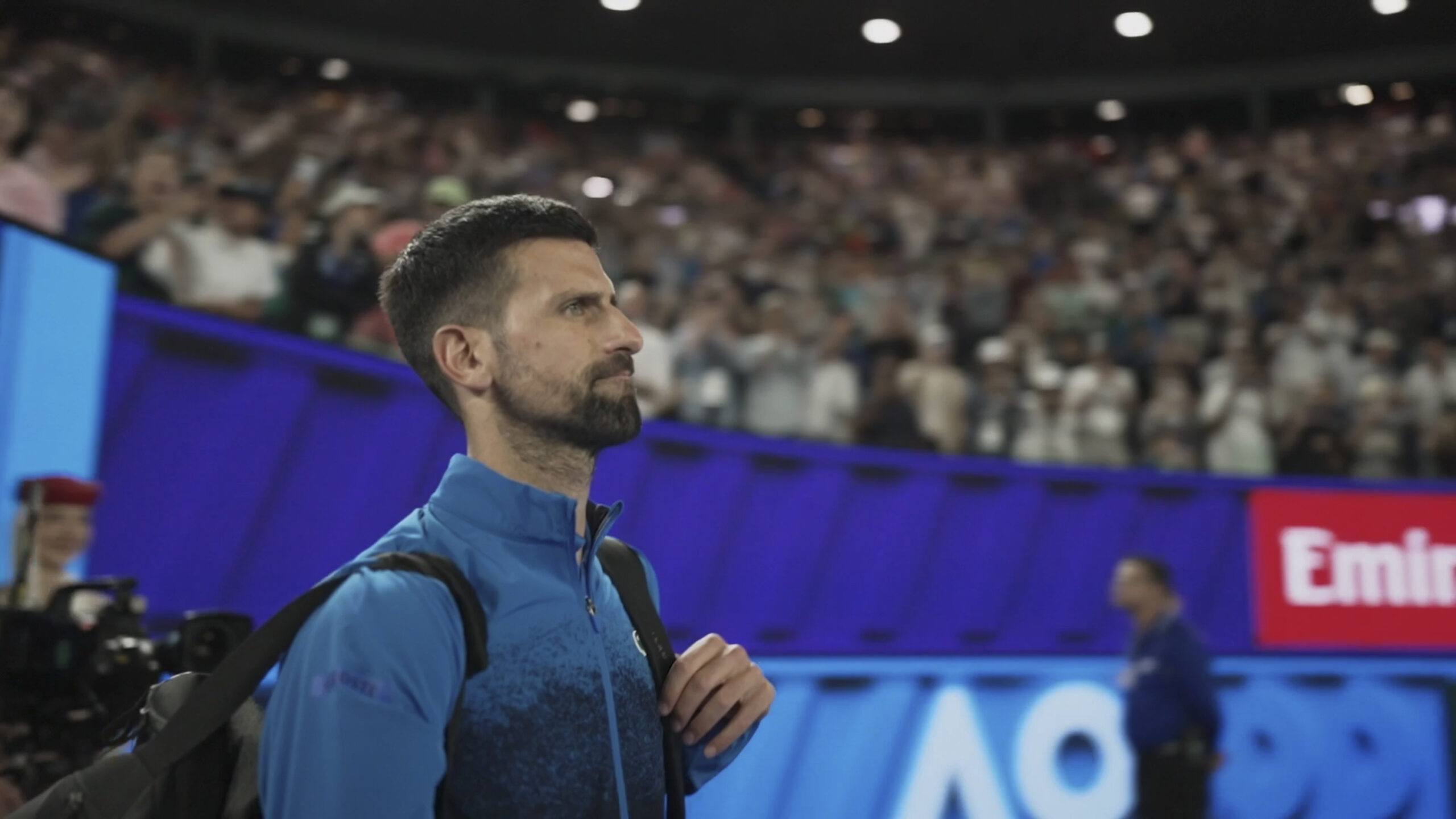
The Serb admitted to breaching quarantine rules and making an error on his entry form. Following a second visa cancellation on January 16, eleven days after landing, the court upheld the deportation.
The mistakes made by Djokovic and the varying accounts he presented to authorities are omitted from the Amazon documentary. The Balkan star limits himself to his reduced version of events, insisting the judicial outcome was purely political.
“Australia was one of the countries that had the biggest lockdown. They didn’t want someone of a profile like myself, who is known in that country and everyone knowing that I’m not vaccinated, coming in their country, playing a tournament, staying for a month or whatever, and then leaving, where people from Australia were not able to come back home, were not allowed,” the former ATP No. 1 argues. “So, yeah, to some extent I do understand that they… they felt that pressure, but, you know, it was not my fault. So later on I find out there is another two people, one was a player, one was a coach, that entered the country based on the same medical exemption. So it was… it was all political. It had nothing to do with medical, it has nothing to do with anything, it was just political.”
Ver esta publicación en Instagram
Djokovic and the anti-vaccination groups
Djokovic also voices frustration over being viewed as a figurehead by anti-vaccination groups: “I never said I’m against vaccine or pro-vaccine. Even the anti-vax movement claim that I’m their hero, and like, you know… I’ve never associated myself with any anti-vax, pro-vax, or anything. I am pro-freedom to choose what you are going to do with the integrity of your body.”
“And by the way, I missed Slams and tournaments, I didn’t play in America for a couple of years because I was not vaccinated. That’s fine. But in Australia I was allowed. So I’m not a scientist, I’m not the one who is… who is setting the rules, I’m… I’m not the one who should dis- debate that. I stood up for what I believe in, I… I… I stand for protection of my integrity and what I… what I think is best for my body, and that’s it.”
Djokovic has won the Australian Open ten times, most recently in 2023, just one year after what was undeniably the most extraordinary and controversial chapter of his career.