



The Davis Cup is beginning to see light at the end of the tunnel — or at least it seems that way. After years of failed innovations and an obvious loss of appeal among players and fans, tennis’ most important team competition is beginning to recapture some of its old magic.
For the second time since 2019, the 16 best nations (14 in reality, as Italy are already qualified as hosts of the Finals) will contest this round using the old home-and-away format, replicating what was previously known as the “World Group First Round”.
Although the “Finals” will continue to be held at the end of the year in Bologna, this September window is bringing back packed stadiums and the world’s best players to the court, despite its difficult place in the calendar: the ties begin just five days after the US Open men’s final.
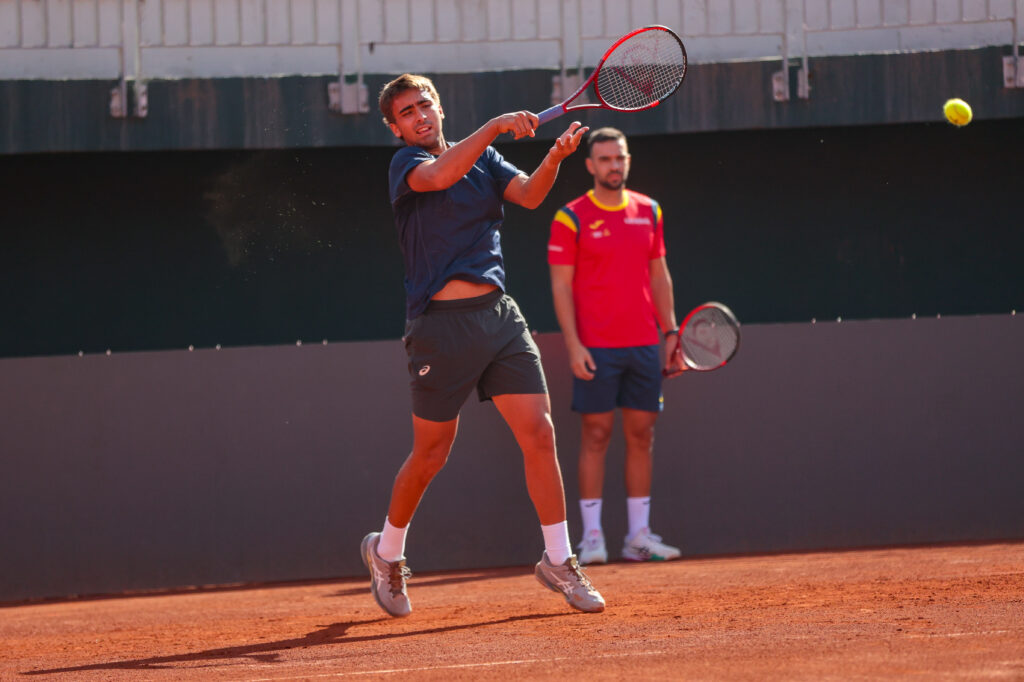
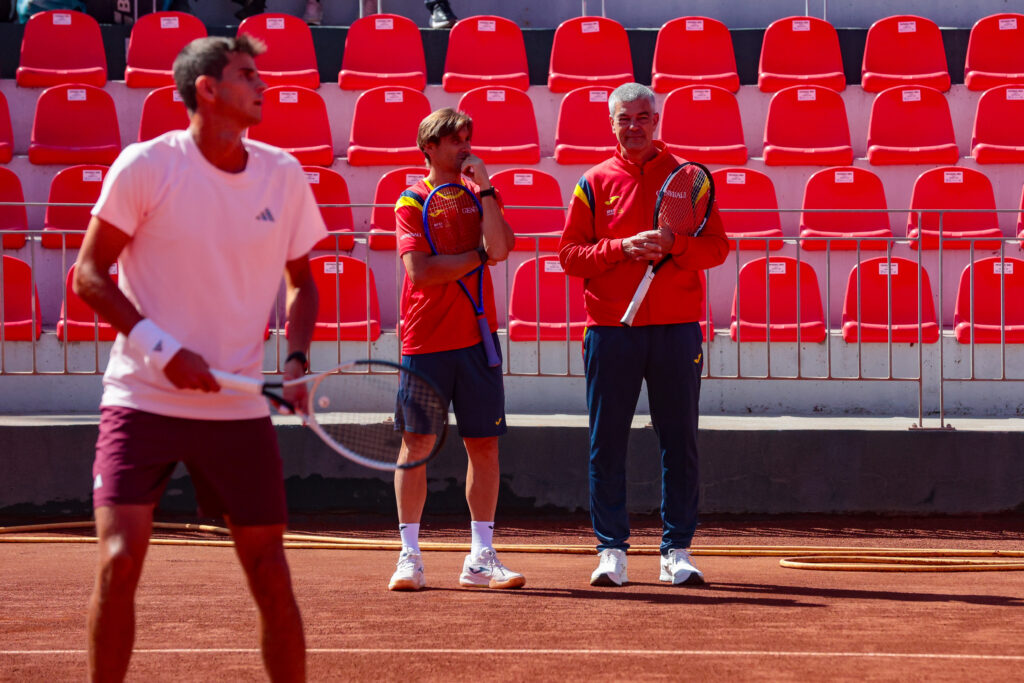
This weekend, 16 players from the ATP Top 20 had the possibility of playing a Davis Cup tie for their countries. Nine of them will take to the court, led by Alexander Zverev.
The German, who became champion in New York less than a week ago, travelled to Halle to face Croatia, making his second consecutive appearance in the competition after staying away for years following the format change.
“There is nothing in the world that would make me change my mind. I will not play Davis Cup in Madrid. The feeling of playing at home is very special and it’s a shame that we are losing that. Hopefully the old format will come back,” he said in 2018.
Zverev kept his word, playing just three ties between 2019 and 2024, all in the early stages of the competition, which were played in a home-and-away format.
He finally appeared in the Finals in Bologna in 2025, but his stance had not changed: “Don’t you think it’s a bit sad that there are at most around 1,000 people in the stadium for these kinds of matches and the doubles? If we played in Argentina or Germany, there would perhaps be 15,000 people. In that sense, I think it’s a bit sad,” he admitted.
Now, motivated by a special tie on home soil, the world No. 2 joined the team despite even his own coaches asking him to rest after the US Open.
Among the absences from the Top 20 are Carlos Alcaraz, Novak Djokovic and Arthur Fils, all for medical reasons. Jannik Sinner and Daniil Medvedev do not have ties this weekend, but for different reasons. Italy have already qualified for the Finals, while Russia are suspended from the competition following the invasion of Ukraine.
The United States, meanwhile, have six players inside the Top 20, meaning not all of them can be selected. Learner Tien and Ben Shelton were chosen for this weekend.
“I’ve never played an away tie in the Davis Cup. It’s something I’ve always wanted in my tennis career; I hope they come with a lot of energy and hostility,” said this year’s US Open finalist.
From unmissable to irrelevant
The Davis Cup has been the most cherished and most criticised competition in tennis history. For decades, it was unmissable for players and fans, who were swept up in the tournament’s tradition and home-and-away format. The world’s best players travelled around the globe, playing in different conditions and on different surfaces to win the Silver Salad Bowl, creating iconic moments along the way.
In 1972, at the height of the Cold War, the United States travelled to Romania and won the final away from home on clay. In 1996, France were crowned champions after winning the fifth set 10-8 in the deciding fifth match of the tie against Sweden on an indoor court.
In 2004, Rafael Nadal dazzled the world by beating Andy Roddick in four sets at the age of 18 in Seville and, in 2016, Argentina won their first Davis Cup after four lost finals, defeating Croatia in Zagreb.
But all that mystique was broken in 2019, when the ITF signed an agreement with Kosmos, the company founded by former footballer Gerard Piqué, to overhaul the event and scrap the home-and-away ties in the World Group.
The change transformed the landscape and angered the sport’s biggest stars. “I feel sad that we no longer have the Davis Cup we were used to. It will never be the same for the next generation. It’s a bit strange that a football player has come into our world. He will have to be very careful. The Davis Cup cannot become the Piqué Cup,” Roger Federer told RTS when the agreement was announced.
The world’s best nations began concentrating their participation in the Finals, with the competition being held in Spain for five consecutive editions.
The format change destroyed the essence of the tournament and, with it, the public’s interest. The stars began skipping certain dates and, in 2022, the ITF made things even worse: the 16 nations in the Finals were split across four cities for a group stage in September, before the knockout stages were moved to Málaga in November.
Bizarre scenes, such as Germany facing Chile in an empty stadium in China or France against Switzerland in Manchester, became commonplace, tarnishing the history of a competition that had been known for selling out its venues.
The agreement between Kosmos and the ITF was terminated early in 2023, but the organisation governing tennis — now called World Tennis, following the lead of World Rugby, World Athletics and World Aquatics — continued trying to modernise the event.
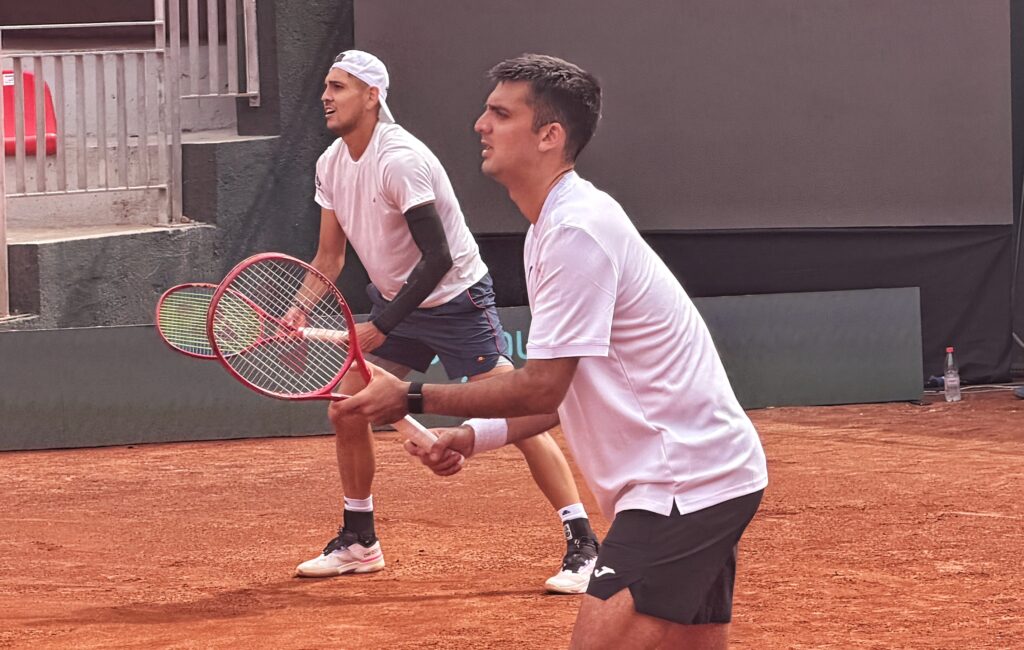
This weekend will be crucial in showing that the real Davis Cup is played around the world, with home-and-away ties. Chile against Spain, Canada against France and Great Britain versus Ecuador have already sold out certain sessions.