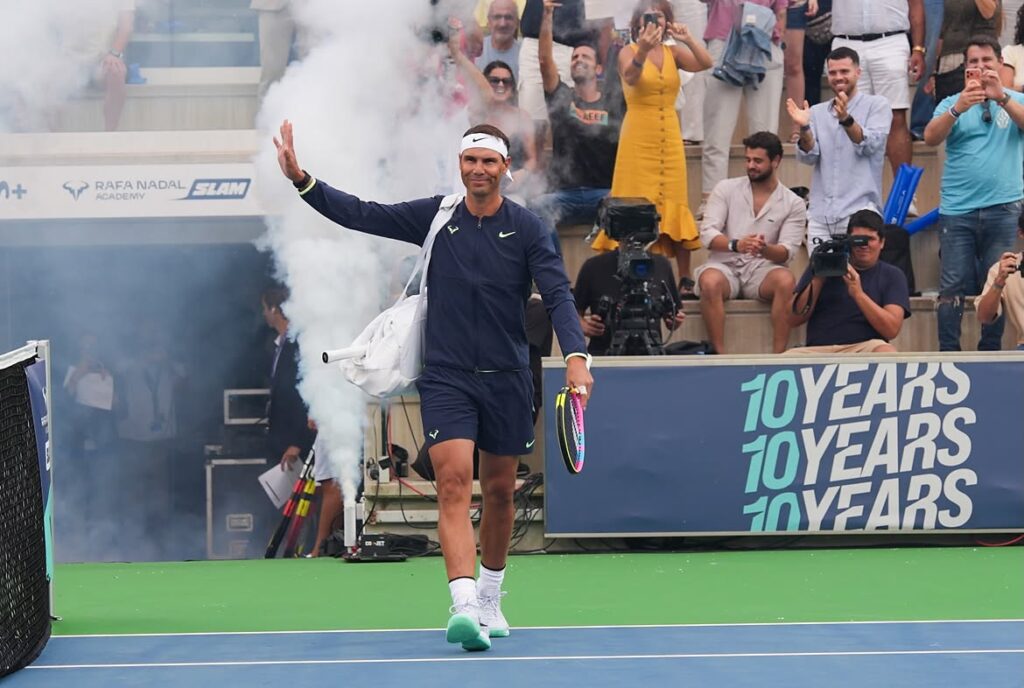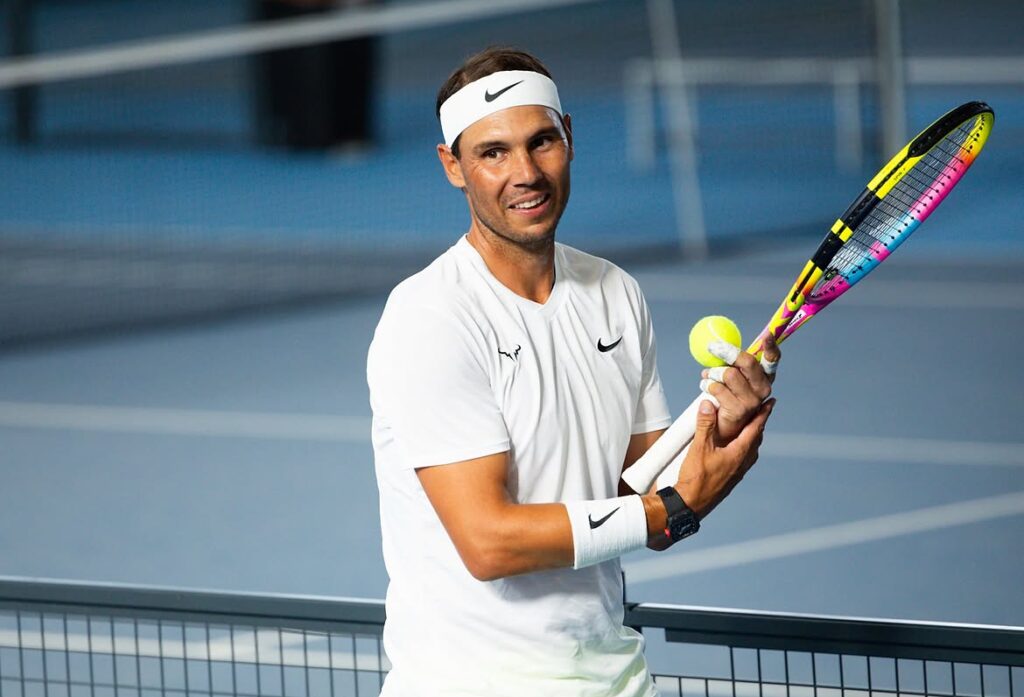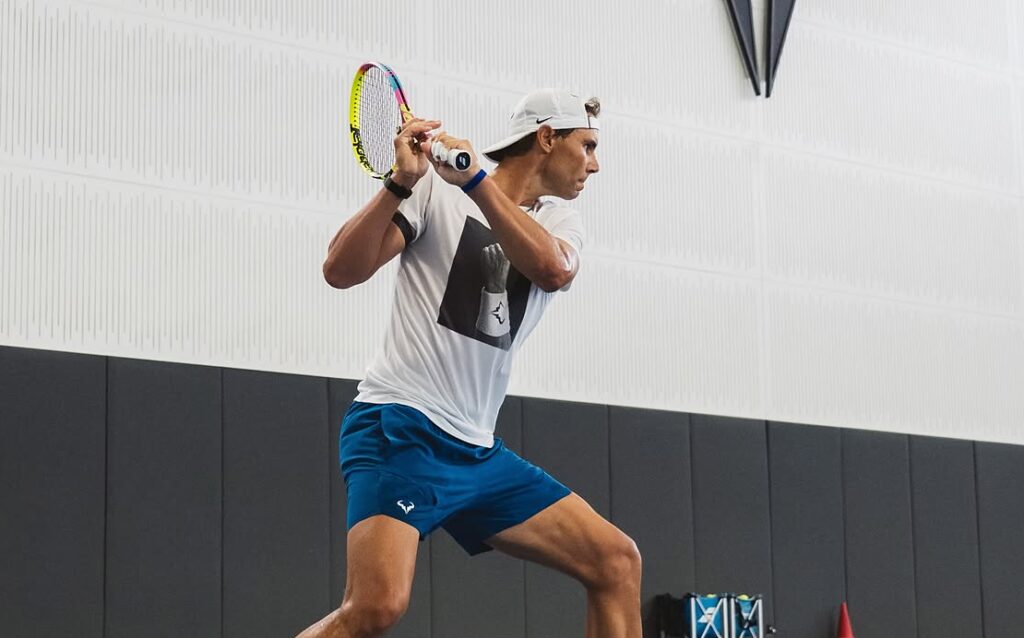



Rafael Nadal retired because his body would no longer allow him to play tennis. His mind always wanted more. One more season, one more Roland Garros, one more battle. The Spaniard did not want to leave. He was forced out by injuries, pain, and a body that, after nearly two decades pushed to the limit, could no longer keep up.
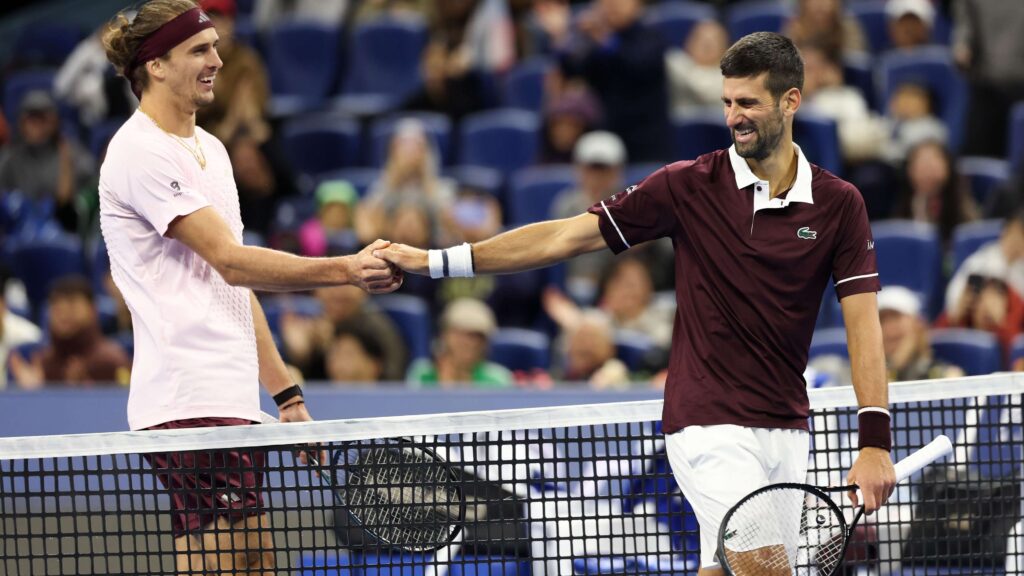
Novak Djokovic is arriving at the very same place, but from the exact opposite direction. Nearing 40 years old, his body can still play and endure. It is his mind that is beginning to ask how much longer.
Ver esta publicación en Instagram
That is perhaps the most compelling reflection in ‘Novak Djokovic: The Wolf in Winter’, the new Amazon Prime Video documentary. Djokovic does not set a date for his retirement. He doesn’t even seem to have one in mind. On the contrary: he insists that as long as he retains the passion, the drive, and the ability to win major tournaments, he will keep going.
For the first time, however, he explains with extraordinary clarity what could ultimately end his career. It isn’t a knee. It isn’t an elbow. It isn’t his back. It is the sheer exhaustion of being Novak Djokovic.
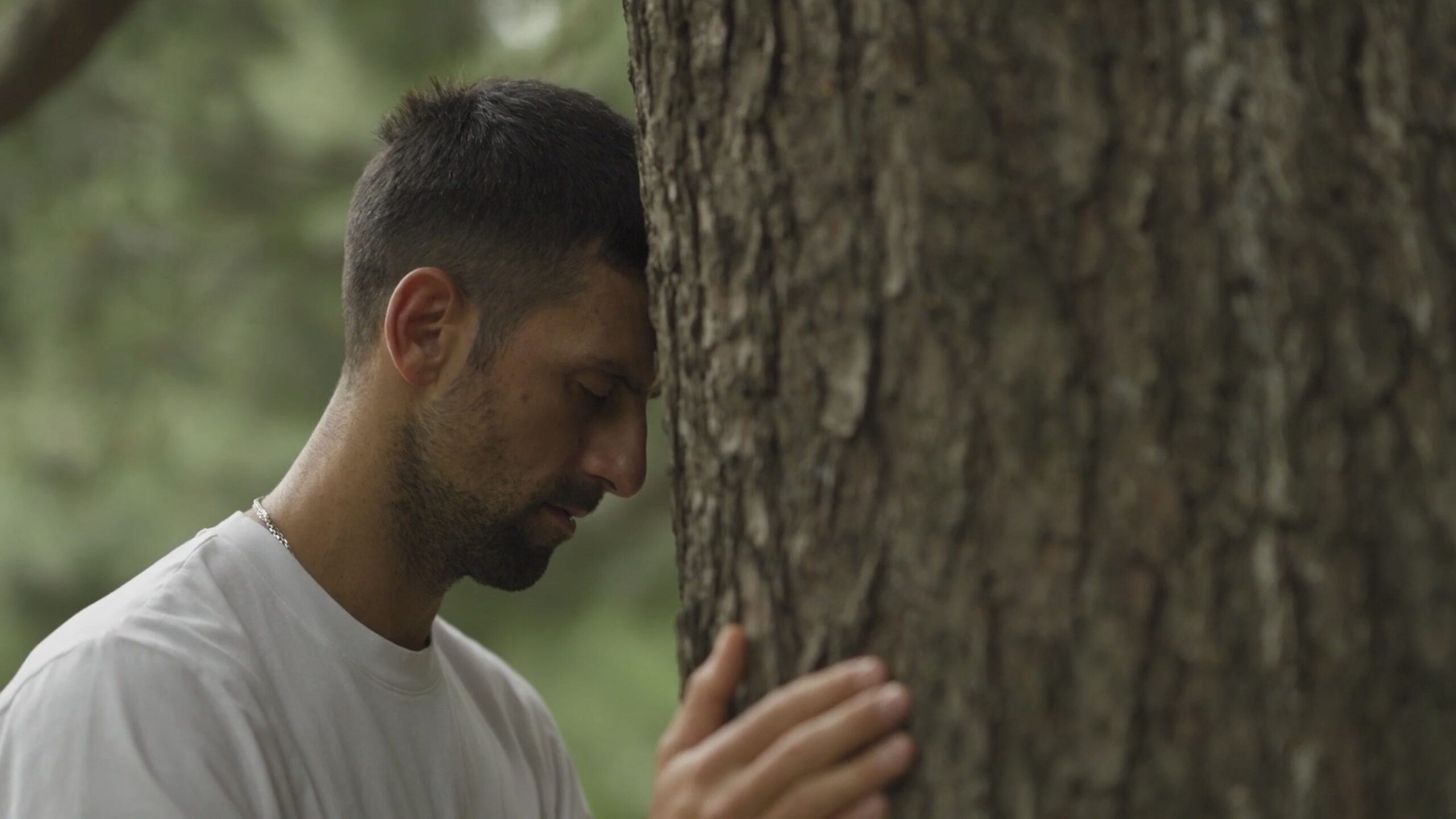
“Physically I am able to recover, mentally no. I’m not able to recover. Mentally I’m at the stage where I’m almost losing my mind,” he admits. He continues: “You think logically because when you age, you have more experience that you would know how to deal mentally, emotionally with stress, with pressure. But the body is maybe not listening to you as much. For me it’s vice versa. The brain is… it’s like it has had enough.”
This reflection shatters one of the great assumptions surrounding athletic longevity. With age, physical recovery should become harder while managing the mind becomes easier. Experience should teach one to live with pressure, to put defeat in perspective, and to understand that a match is merely a match.
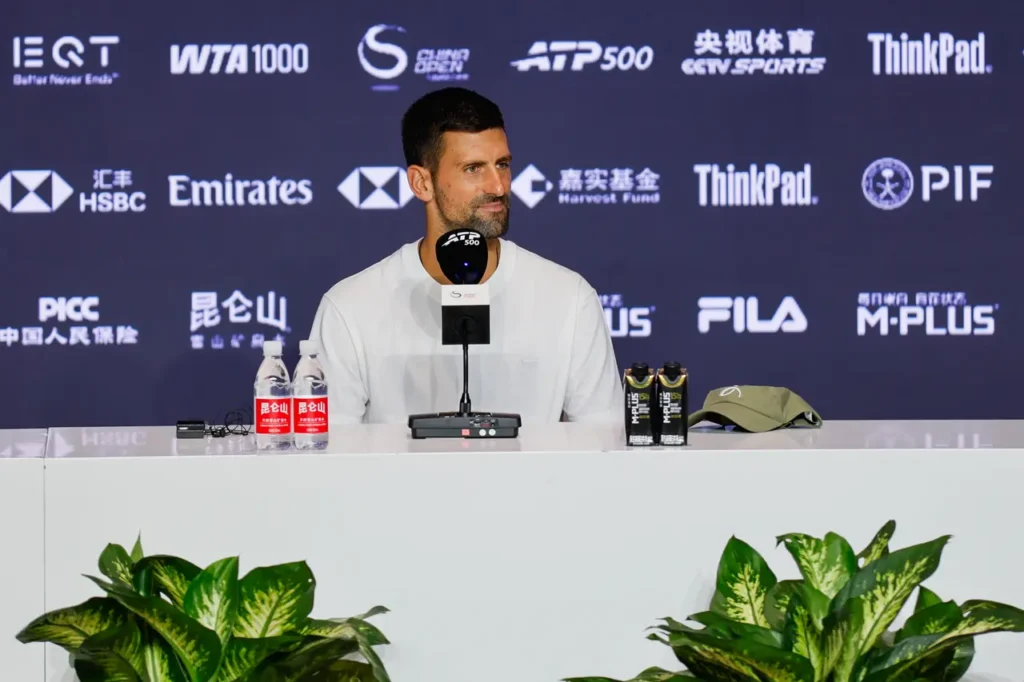
For Djokovic, the reverse is happening. “The practice days and media… and the expectations… It’s mostly about my own expectations,” he explains. Because for someone who has won 24 Grand Slams, spent more weeks at world number one than anyone else, and built much of his career around the ability to overcome the impossible, normality has come to feel like failure.
Making the semifinals of a Grand Slam is no longer good news. “The curse of achieving every possible achievement that you could in our sport is that anything less than that is not good enough. The feeling of not good enough has been with me for a very long time, it’s still with me.”
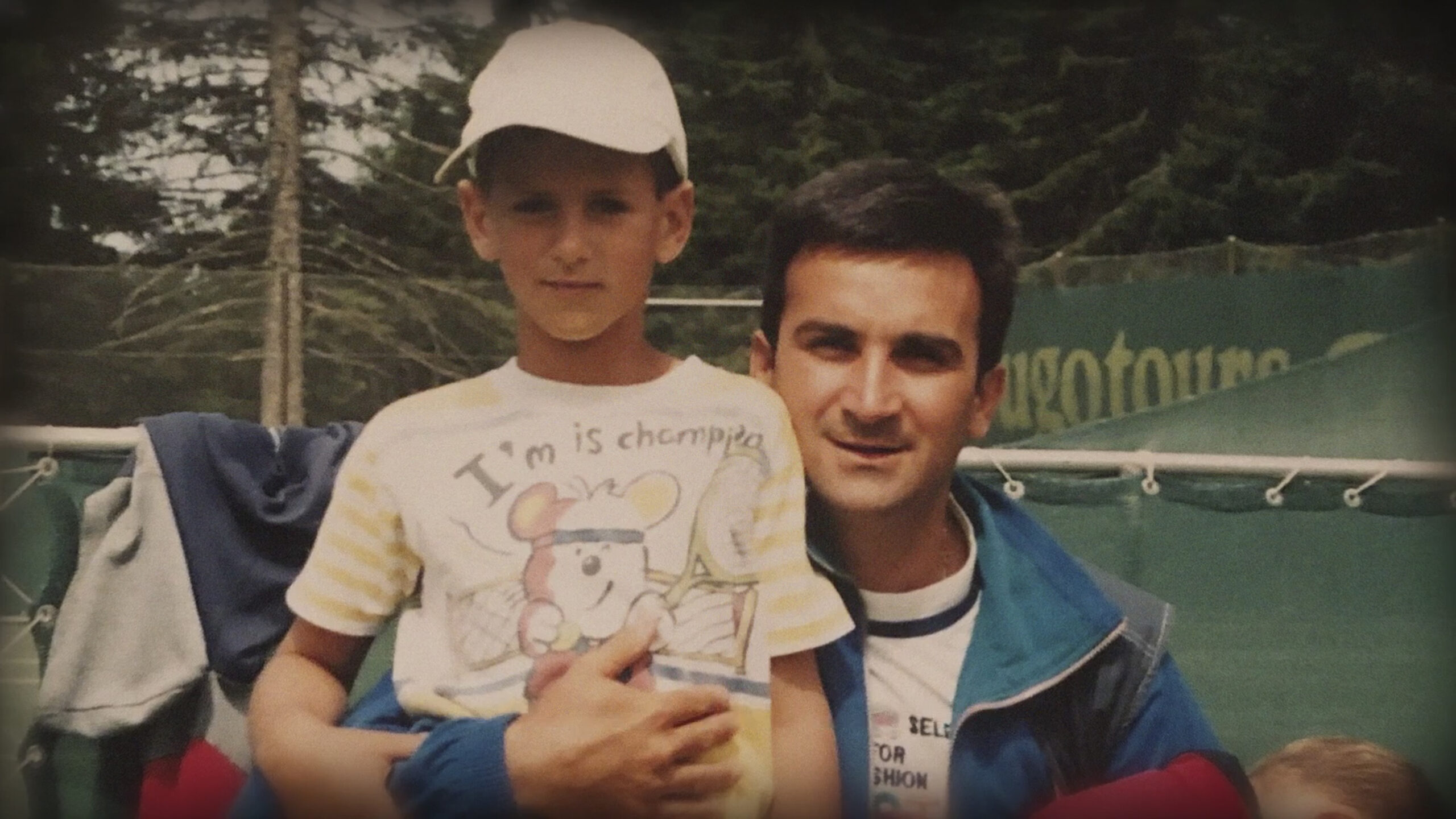
“It will never be enough”
Therein lies perhaps the true battle keeping his career alive. “I want to prove people wrong,” he admits. But he immediately clarifies who his primary target is: “Most of all, I want to prove myself wrong.”
Because Djokovic lives with an inner voice asking if he can still do it. If he is still at the level of the best. If he can still win a Grand Slam. And that doubt, after half a lifetime answering the doubts of others, appears to have become his toughest opponent yet.
Jelena Djokovic explains it even more starkly: “He carries that burden that he’s never enough. No matter how much he does, it will never be enough.”
It is a line that helps explain why Djokovic keeps going—and why he might walk away. Tennis has been his place of fulfillment for decades, the realm where he feels worthy. But it is no longer his entire life. He is now a husband, a father, and all those other things demanding a part of him. And the price of competing no longer affects just the player.
“I cannot be 100% dedicated to tennis. It’s not my life anymore. I need to be, you know, the husband, the father… I need to be all of the other things. This is the battle. How long should I do this? Why am I putting myself and my family through this over and over again?”
Ver esta publicación en Instagram
It is the same question Nadal likely had to answer before saying goodbye. But the contexts and the answers are different. Nadal wanted his body to grant him one last chance. Djokovic needs to know if his mind still wants to grant him one.
That is why it is so revealing that he does not know when it will end. “No date in my mind to be honest, the expiry date of my career. I truly feel still young, I don’t know when I’m going to finish my career. It might be 1 year or it might be another 15 years, I don’t know,” he says. “As long as I have the drive, passion, and most of all as long as I feel I can win tournaments and I can be one of the best players in the world, I want to keep going. The number one doubter is here. I’m the number one doubter. And I’m trying to prove myself wrong more than anybody else.”
The issue is that, for the first time, the doubt is not about whether Novak Djokovic can still win. It is about whether he still wants to pay the price to do so. And that may well be the real countdown of his career.