

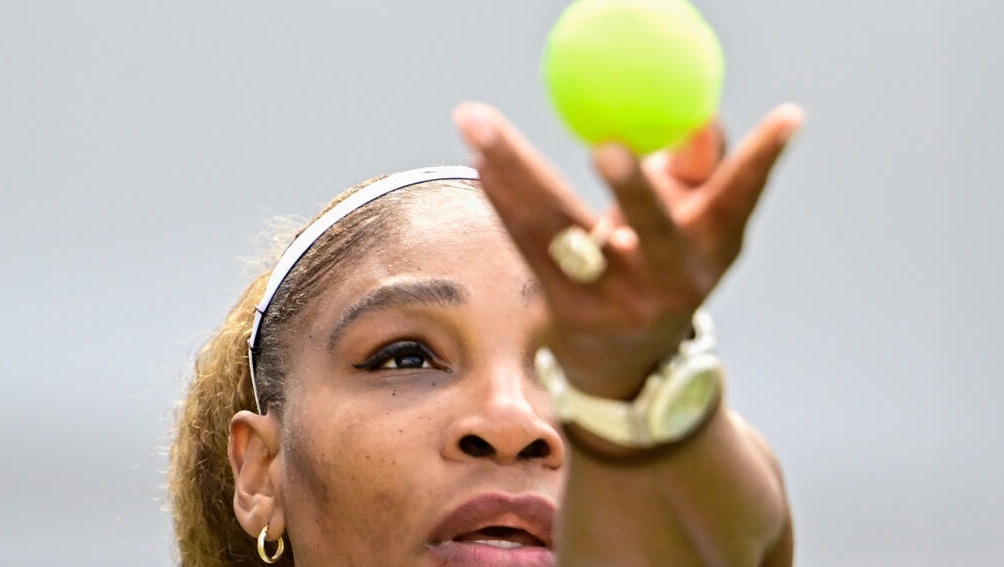

LONDON — Winning at 44 without having competed for four seasons remains impossible in professional tennis. Serena Williams’s return was a journey back in time: no surprises, but full of symbolism.
Twenty-four years is too great a gap on a tennis court. That is the difference between Williams and her opponent on Tuesday night in London: Maya Joint, a young Australian born in 2006 who struggled to speak during her post-match interview. She was in shock after beating the former world No. 1.
“I did not sleep last night, I was awake until two in the morning thinking about this. She has an incredible aura, she is a legend. I have dreamed of this since I was a little girl. It was incredible,” said Joint, after beating Williams 6-3, 6-7 (6-8) and 6-3. When Joint was born, Williams had already won seven Grand Slams. She would go on to win 16 more.
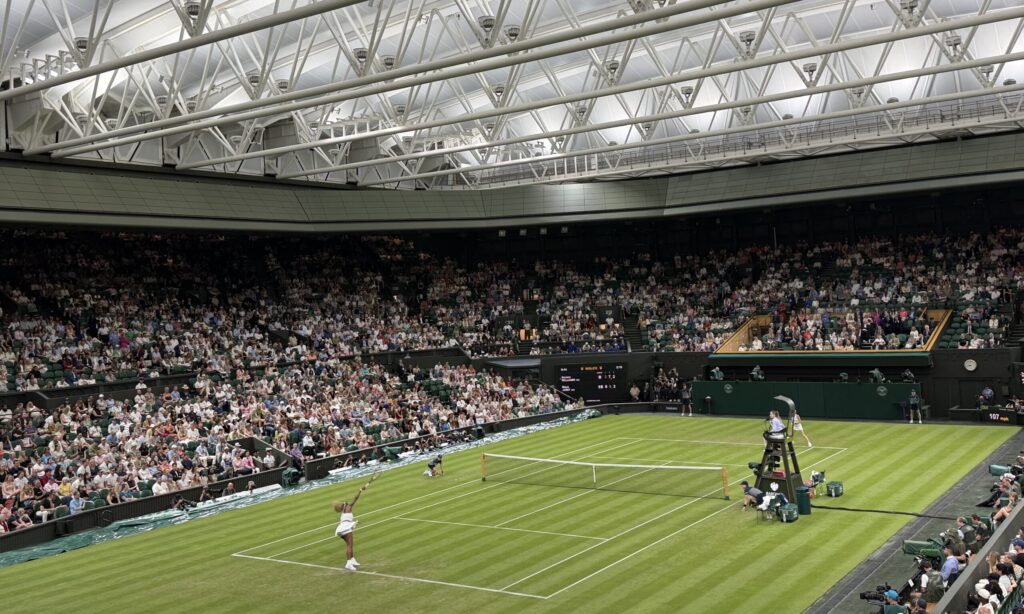
Williams, in her own words, “had nothing better to do” this northern summer. Her daughters were on holiday and there were not many plans. So why not play Wimbledon?
And so, invited by the tournament, Williams returned to the court where she lifted the most legendary trophy in the sport seven times.
The freshness and youth of her opponent made the difference. Her former physiotherapist Rubén Mateu, one of the people who knows Williams best, had already told CLAY this would be the case: “The reality is that I cannot picture her competing at the physical level she was at before her pregnancy. But hopefully she surprises me and finds success. Honestly, though, I cannot picture it.”
With Mateu in her box, Serena Williams won the last of her 23 Grand Slam titles, the 2017 Australian Open. She won it while eight weeks pregnant, and the title took her back to world No. 1 at the age of 35.
Ver esta publicación en Instagram
“Serena’s body is not normal, because she is a super-athlete, but it is also the body of a 44-year-old who has not competed at elite level for some time,” the Spaniard said.
Joint had the match under control, a break up for much of the second set, but serious errors from the Australian — clearly the product of nerves — gave life back to the most successful player in the history of professional tennis.
Williams took the match to a third set after saving a match point in the tie-break. She broke early, but halfway through the deciding set, the North American’s exhaustion became too evident to ignore.
An iconic comeback to Wimbledon, a deserved tribute to one of the greatest legends in tennis. It was exactly that: a return loaded with symbolism, a gift for the new generations who got to share a court with an idol, a gift for the fans who cheered her on, and a gift to Williams herself, who fulfilled her wish to play in front of her daughters.
One of those curious details that feed the metaverse of this comeback: Joint is coached by Samantha Stosur, the former world No. 4, who defeated Williams in the US Open final in 2011. Stosur also defeated the Williams sisters in the Wimbledon doubles final in 2009, alongside fellow Australian Rennae Stubbs — who this month returned as Serena’s coach.