


PARIS – With Jannik Sinner and Novak Djokovic out of the running, you have to go back to Roland Garros 2004 to find a more unpredictable tournament on the Parisian clay: the French Open, wild, unpredictable and more open than ever, is ready to be conquered by the boldest.
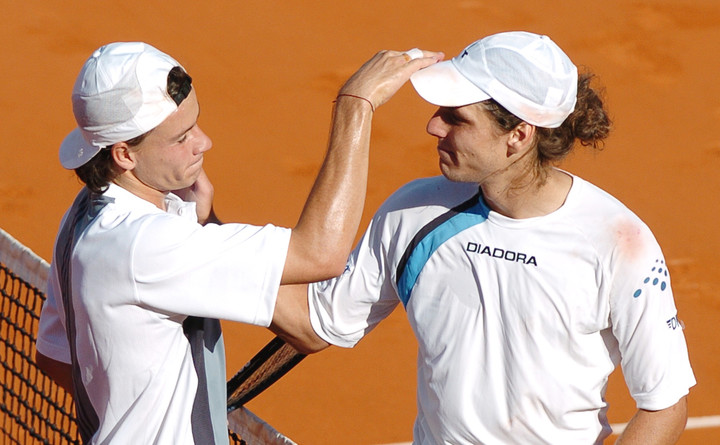
The 2004 tournament, with its madcap final in which Argentina’s Gastón Gaudio beat his compatriot Guillermo Coria, was the last Roland Garros with an open outcome. Then began the unrivalled era of Rafael Nadal and his 14 titles at the Bois de Boulogne, with occasional appearances by Roger Federer, Stanislas Wawrinka, Novak Djokovic and Carlos Alcaraz.
In each of those editions, the favourite was clear. In this one, no longer.
Will it be Joao Fonseca, who beat Djokovic on Friday in an electric match, almost a watershed moment in history?
It has been 29 years since another Brazilian, Gustavo Kuerten, surprised the world from 66th in the world rankings to lift the first of his three Roland Garros trophies.

Fonseca’s case, however, is different: he has been talked about for some time and has won major titles. He is no surprise; he is a star waiting for confirmation.
Could he be the ‘third man’, the one to challenge Alcaraz and Sinner for the major titles?
“I hope so, he definitely has the potential for that,” analysed Djokovic, the most successful player of all time, but for whom a 25th Grand Slam title is slipping further and further away.
‘From what I’ve seen, he’s very professional, he’s talented, and the whole of Brazil is behind him. He could be the next big name to win Slams. And I think today we saw why there’s so much hype surrounding him.’
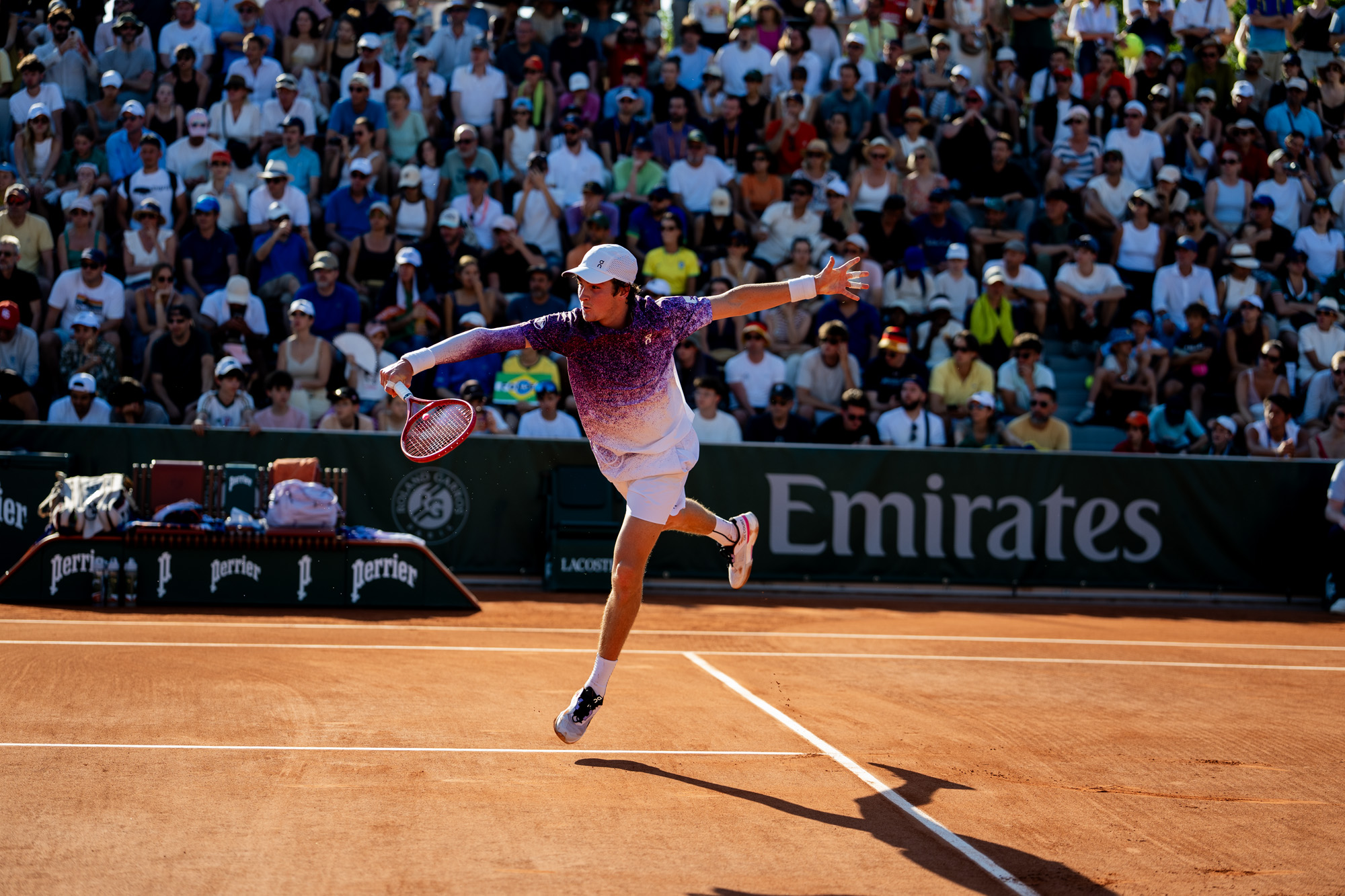
Fonseca asks for a bit of calm: “It’s the first time in my career that I’ve reached the last 16 of a Grand Slam. And ten minutes after the match ended, I couldn’t believe what I’d done.”
He’s right to say so, because in Paris there are more players like Fonseca, in a draw that is all about generational renewal.
In the Brazilian’s section of the draw are Argentina’s Juan Manuel Cerúndolo, who beat Sinner, Spain’s Martín Landaluce, Italy’s Matteo Berrettini, Argentina’s Francisco Comesaña, Portugal’s Jaime Faría, the American Frances Tiafoe, Italy’s Matteo Arnaldi, Belgium’s Raphaël Collignon, the Czech Jakub Mensik and Russia’s Andrei Rublev, among others.
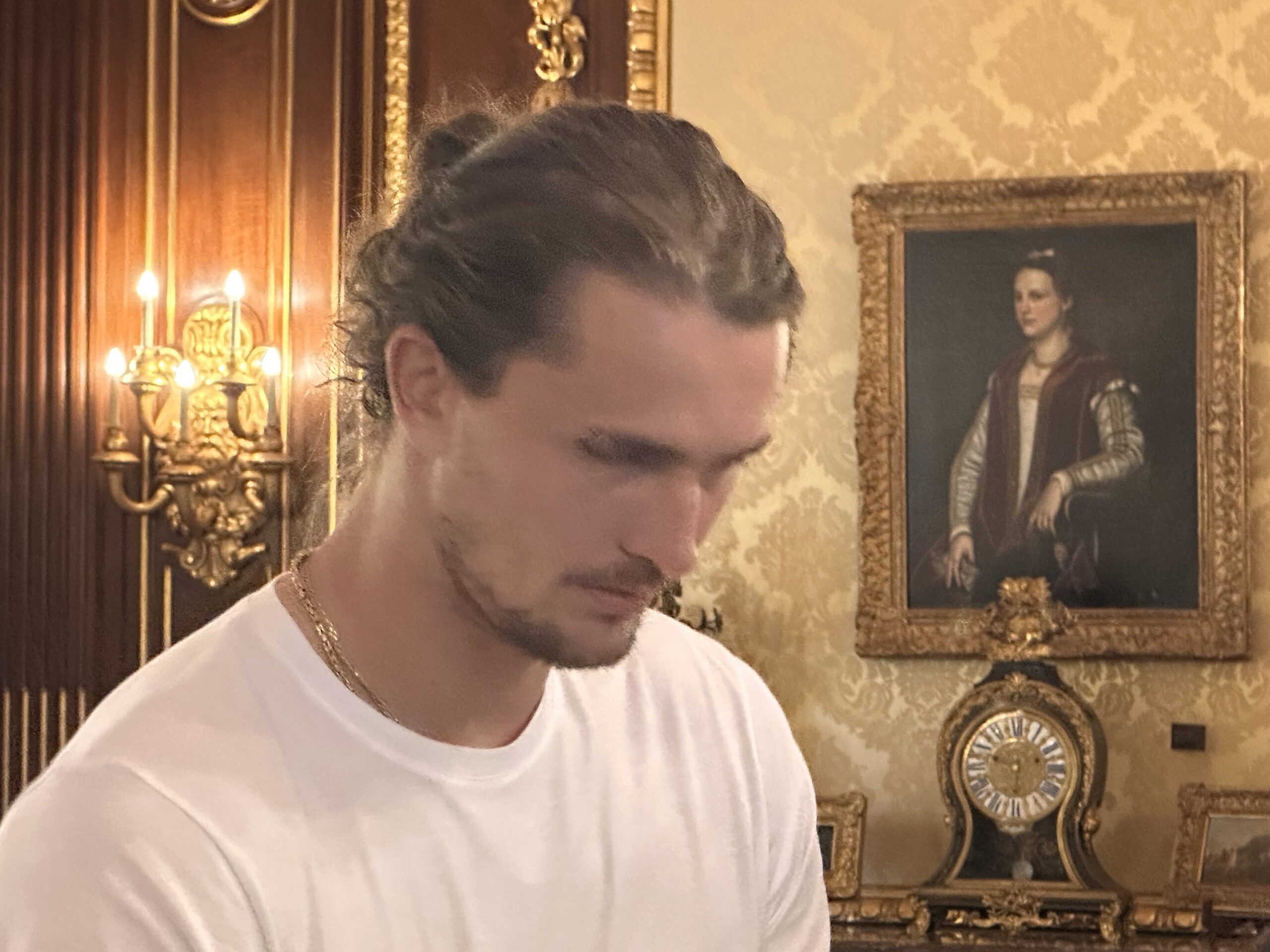
On the other side of the draw, where in theory the second seed, Germany’s Alexander Zverev, reigns supreme, names such as Spain’s Rafael Jodar, Argentina’s Francisco Cerúndolo, Canada’s Felix Auger-Aliassime, French prodigy Moise Kouame, Chile’s Alejandro Tabilo, the American Learner Tien and Italy’s Flavio Cobolli stand out.
It is a different tournament, a different generation. It is a new chapter. With the years of Nadal’s hegemonic dominance now behind us, Roland Garros lies open, waiting for whoever will conquer it. It would make sense for it to be Zverev, but it would also be quite logical for the pressure to be too much for the German. And, as we know, nothing significant is achieved without joy.