


PARIS — This Friday, 22 May, was marked as a pivotal day in the ongoing dispute between tennis players and Grand Slam tournaments over prize money. Yet what had been billed as a Media Day boycott at Roland Garros fell short of that. There were statements, debates and at least one press conference cut off by a timer, but questions linger over the effectiveness of the move as a form of pressure.
Players announced days ago that they would limit media availability to 15 minutes, in protest at what they see as an injustice: the four Grand Slam tournaments — the Australian Open, Roland Garros, Wimbledon and the US Open — allocate only 15% of their revenues to prize money. Some outlets described it as a boycott; others as a protest. In the end it was closer to the latter, and several players distanced themselves from the word “boycott” altogether.
Players believe that 15% is far too low and that they deserve considerably more. Their proposal, according to international reports, is to raise the prize money share to at least 22%. Roland Garros, which gets under way this weekend in Paris, will distribute a total of €61.7 million in prize money in the 2026 edition, with cheques of €2.8 million for each singles champion. Those €61.7 million represent 15% of the French Grand Slam’s total revenues.
“It is not about wanting more money — it is about wanting what is fair. And as the tournaments earn more and more money, we want that to be shared with the players,” said North American Taylor Fritz, the first player to speak at the Media Day, a session packed with press conferences and interviews across Paris.
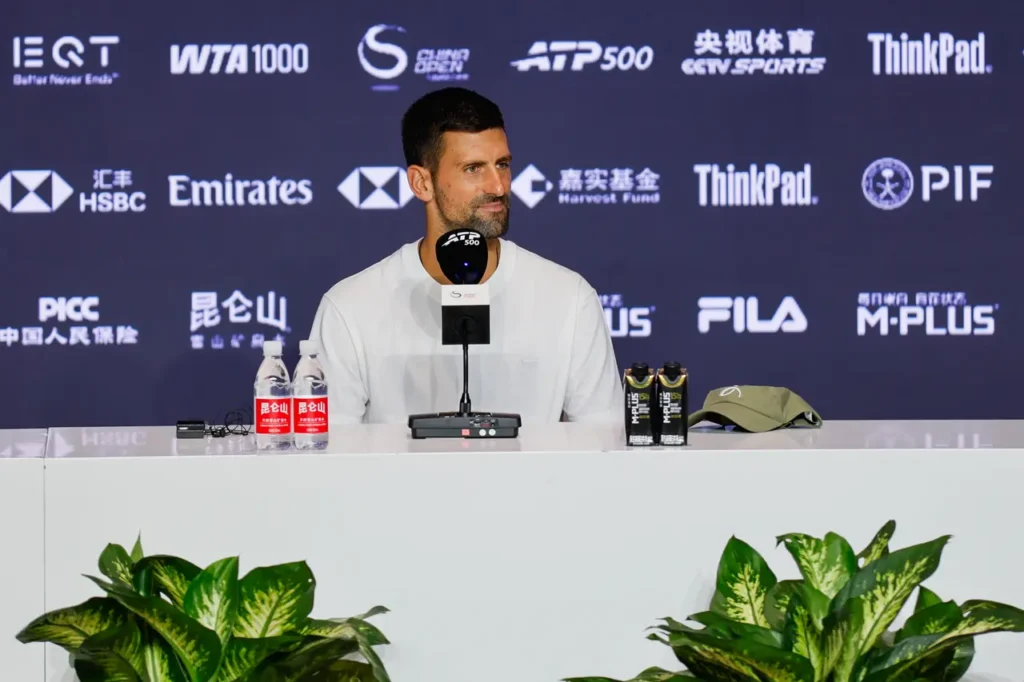
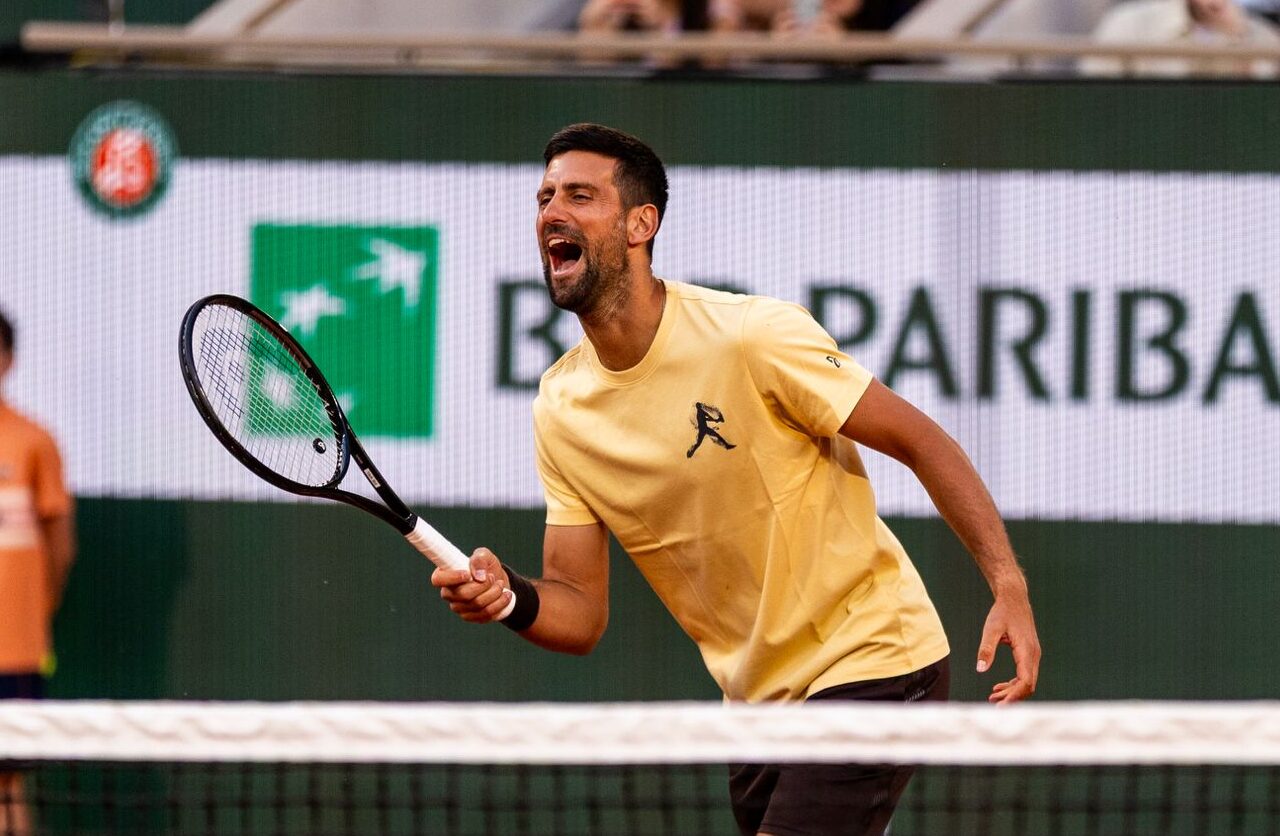
Several stars followed Fritz to the microphone in support of the protest. Aryna Sabalenka, Iga Swiatek, Elena Rybakina and Coco Gauff led the complaints from the women’s side, while on the men’s side the surprise came when Novak Djokovic — arguably the player who has fought hardest for his colleagues’ rights — announced he had kept his distance from the action.
“I was not part of the process, the plan or the decision-making, so I cannot comment on it,” said the 24-time Grand Slam champion. “What I can keep doing is standing up for the players, as I always have. I have always tried to fight for players’ rights, helping to seek a better future for players of all rankings and especially for those at the bottom — the forgotten ones.”
The Serb spent many years on the ATP Player Council and later led a players’ union to improve conditions across the tour. This time, however, he stood apart without going into much detail about his decision.
“There are better ways to apply pressure”
All the players made clear they have nothing against journalists. And that is precisely where some voices within the tour struggle to see how limiting press conference answers will translate into better conditions in the long run. “It is great that they are fighting for what they believe is fair, but it may not be the most effective measure. There are much better ways to apply pressure,” a person with decades of experience inside the tour told CLAY.
For now, players and the major tournaments have given themselves a year to negotiate. Djokovic, who has been fighting for years — first through the ATP Player Council and then through a players’ union — believes a broad agreement between tennis’s major powers is essential for the sport to grow.
“I will not stop saying it because it is the most important thing. If we want players in the future to live off tennis rather than just survive; if we want the sport to grow; if we want more children playing; if we want more people trying to turn professional — this is what matters most,” warned the most decorated player in the history of the game. “We have the Grand Slams, the tours — we are very fragmented, and the ecosystem that governs us is very complex. I do not want to see more fragmentation: let us try to learn from golf, an international and individual sport like tennis that has been through difficult moments. Let us try to be more united, working towards better structures for a better future.”
Do you love CLAY? Support us on Ko-fi and follow us on Instagram, X (Twitter) and Facebook.