


LONDON — Greg Rusedski, former world number four, was sharply critical of the players demanding a prize money increase and the way they handled the boycott.
“They increased the prize money again. So from my point of view, it’s a little bit ridiculous,” the former British player said on TalkSport.
The 15-time ATP title winner was blunt in laying out his case: “Wimbledon is a business. You’re invited to come play. And most players don’t understand that the costs for the All England Club is a certain few hundred million to run the event, to do the TV, to do the upgrades, do all these things. So they have a hundred million in profit — fifty million of that goes to the LTA to develop tennis in this country, and the other fifty million basically goes to the players with prize money.”
“I had this discussion with two of the top agents in the business, and both represent players who have won Grand Slams. One was like, oh, my player’s gonna do the boycott. And the other one, who’s been around a little bit longer, said: this is ridiculous.”
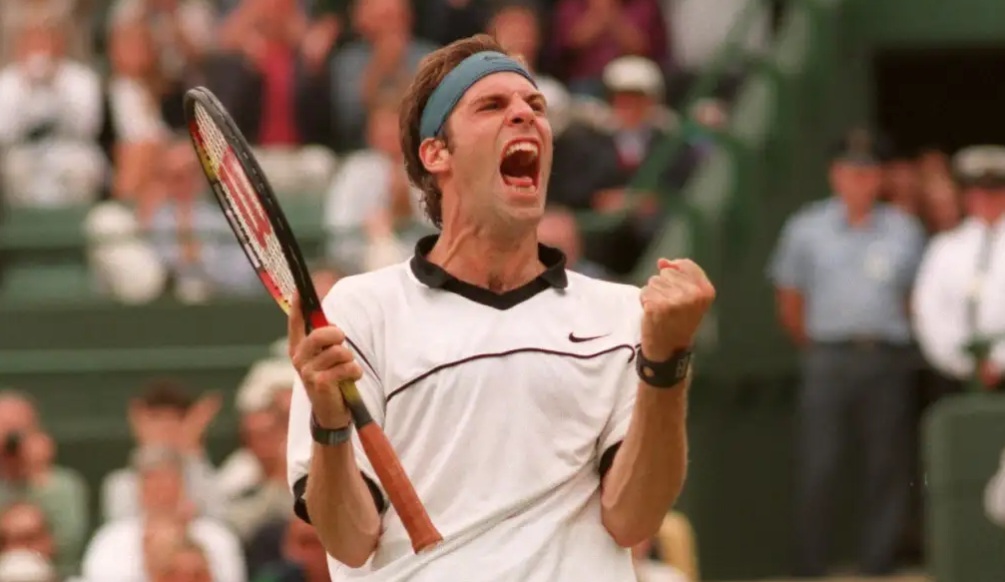
Greg Rusedski at Wimbledon during his playing days.
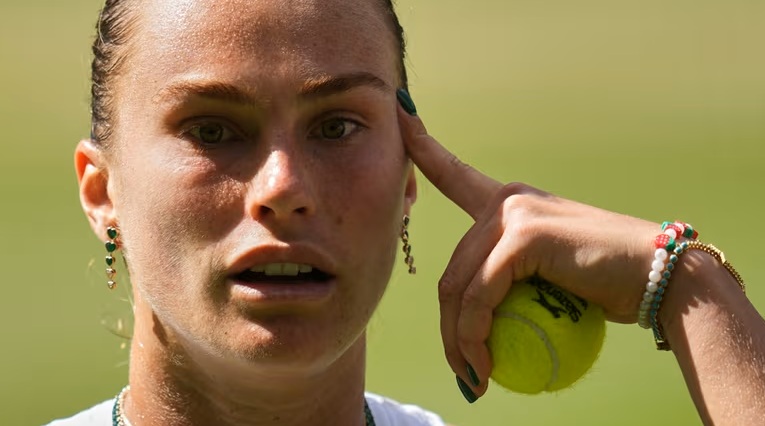
The root of the conflict dates back to April or May, when Roland Garros confirmed a 9.5% increase in prize money compared to 2025. The figure was considered insufficient within the circuit. Around twenty elite players, led by Aryna Sabalenka and Jannik Sinner, demanded that their calls for a different distribution of the pie be heard.
“This boycott seems a little ridiculous. I retired in 2006 — first round prize money for me then was £10,000. I don’t think inflation has gone to £80,000 in twenty years. That’s nearly an 800% increase in prize money for a first round loss,” he said.
The method the top players chose to pressure both tournaments was to limit their media obligations to 15 minutes. In London, some players carried out the measure in the days before the tournament; however, they decided to end the protest following what were described as “constructive meetings” with the All England Club.
“Fifteen minutes to the press — do you want the journalists against you? What is this gonna do? I think you need to educate the players,” said the 1997 US Open finalist.
Ver esta publicación en Instagram
Rusedski is convinced the solution lies in players gaining a better understanding of how the tour operates, and of all the benefits that come with competing at the sport’s biggest stages.
“If you’re seeded and you play on Centre Court, you get 40 tickets for your team to watch the match. So that helps your sponsorship out there as well. Players always wanna get more money, but they have to be educated on how the system actually works,” he added.
In 2026, Wimbledon increased its total prize money by 20% compared to last year’s edition. Sally Bolton, head of the All England Lawn Tennis Club (AELTC), had told the BBC that the tournament had expected a different reaction: it was the largest prize money increase in the event’s history.