

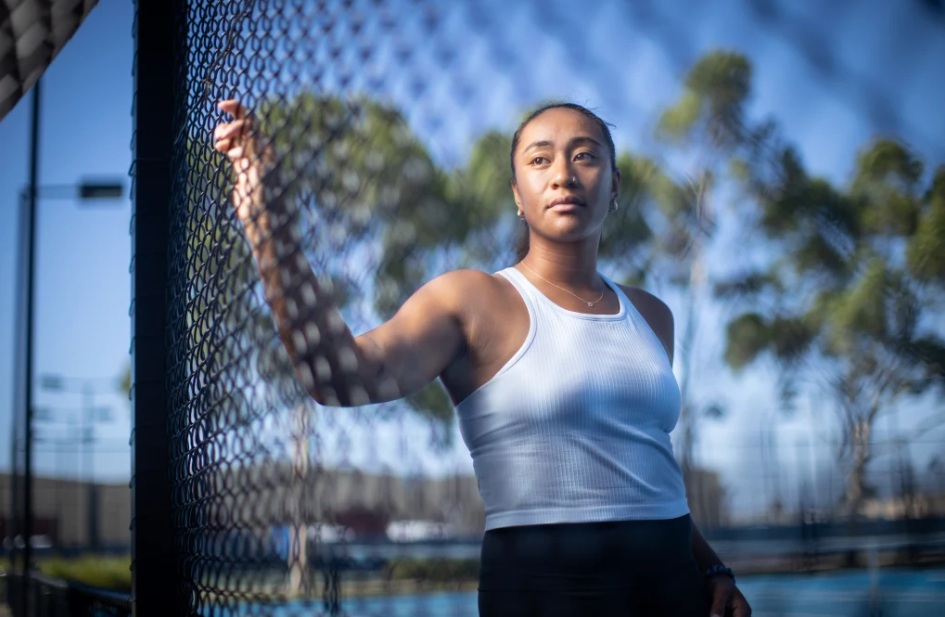

Destanee Aiava had a Valentine’s Day to remember. On 14 February 2026, the Australian player of Samoan descent announced that this will be her final season as a professional, in a sport whose culture she described as “racist, misogynistic, homophobic and hostile to anyone who doesn’t fit its mold.”
“On court I’ve been called a ‘monkey’ and ‘transgender,’” Aiava, a former world No. 147 and currently ranked No. 320, told CLAY in an interview also published by RG Media.
Before admitting her partner to hospital at 3am after he contracted a virus on their flight home, the 25-year-old shared a nine-slide Instagram post in which she revealed her growing resentment towards her job and the reasons behind her decision to walk away from tennis — her “toxic boyfriend”.
“They all (female players) just talk behind each other’s backs. That’s the reason it creates a hostile environment, because everyone just says it behind your back and then gives you a fake smile when you pass each other,” said the youngest Pacific Islander to compete in the main draw of a Grand Slam.
“Personally, I would rather spend all that time with people who matter instead of gallivanting around the world and wasting my time,” Aiava, the first player of Samoan descent to compete at the US Open, told CLAY from her home in Melbourne.
Interview with Destanee Aiava
– Why did you decide to retire?
– I don’t think I’ve ever enjoyed this sport. The only reason I enjoyed it was because of the good things that came with it. And for me personally, that’s not worth waking up every day and hating my job and basically living a lie. I’m getting hundreds of people coming up to me saying, ‘You must love it.’ Some days, honestly, I would have rather done anything else but hit on a tennis court.
Ver esta publicación en Instagram
– You referred to the sport as your ‘toxic boyfriend’. What made you want to use that metaphor, on Valentine’s Day as well?
– The way I kept going back and forth with tennis and just battling my own demons within this sport–wanting to quit or wanting to keep going—I felt like even in my own relationship everyone has their own ups and downs with their partner. So I just felt like that was the equivalent of what I was going through, which was my relationship with my own job. It was basically toxic. I wasn’t too sure if anyone else was going to relate with it, but I’m glad you understood the analogy (laughs).
– How do you want to be remembered by your ‘toxic boyfriend’?
– I would like to be remembered in this sport with how honest I am with my experiences. I really just hope to inspire other people who are in a similar position as I am of going the same way and to put themselves first. I just realized that as much as everyone says bad and negative things, at the end of the day, no one really gives a fuck. In a week, people are going to forget about this and I’m still going to be the same person.
– In 2024, you represented Australia at the United Cup and said it was ‘weird and hostile’. What were your overall experiences like there and on-tour in general?
– Everyone’s kind of competing against each other, and especially women. I feel like we don’t really know how to put that aside as well as the men do. They’ll play a match against each other and something would happen on court, and then 10 minutes later in the locker room they’re joking around with each other. That’s just not how women are. It felt very high school.
– What was it like for you as a Samoan-Australian tennis player?
– Being a woman of color in this sport that’s predominantly white, it’s been a big struggle from the get-go. There’s not been one time where I felt like I belonged in this sport because of my color. It’s always going to be harder for us and that’s just the reality. Even if I wasn’t a woman, it’s still going to be harder if I was Brown or Asian or Black. From the online abuse and people in the stands during my matches heckling me there’s so many instances that equated to my retirement post.
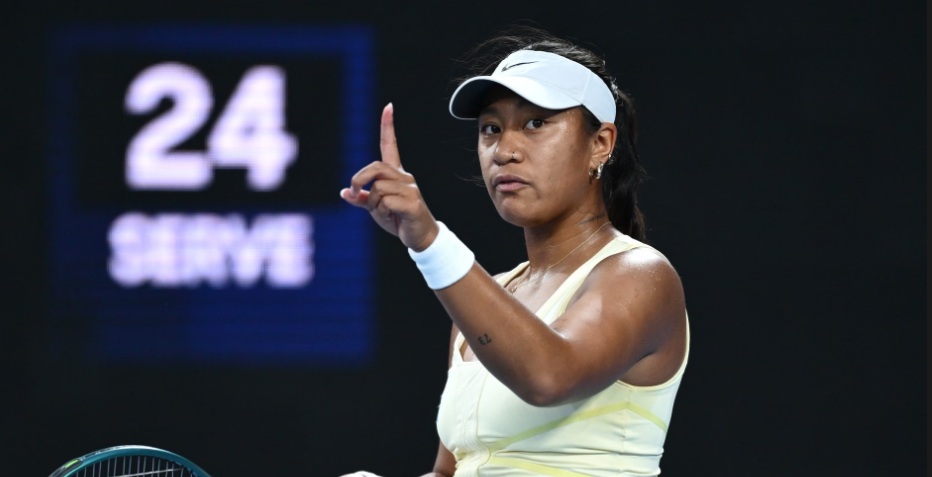
– You wrote in your retirement post that tennis culture is ‘racist,’ ‘misogynistic’ and ‘homophobic.’
– I’ve gotten comments online from people calling me ‘fat,’calling me a ‘man.’ Even seeing gay tennis players and how they’re treated, it’s such an important thing for me to also advocate for them because I see firsthand how they’ve been treated in tennis. I really just didn’t want to speak for myself. I wanted to speak for everyone else who had or who has had a very similar experience to me.
– What specific examples of racism come to mind?
– When I was little, there were crazy tennis parents at the tournaments and they would not be too shy to express how they felt out loud by calling me a ‘man’ or a ‘monkey.’
– Anything like this in the locker rooms?
– Not that I can think. They all just talk behind each other’s backs. That’s the reason why it creates a hostile environment because everyone just says it behind your back and then gives a fake smile when you’re passing each other. I’m very big on energy and for the most part, whenever I was in that environment, the energy was just terrible.
– What could the WTA have done to make you want to keep playing? Or maybe any results you could secure this season?
– I don’t think anyone could have done anything for me to have changed my mind. My decision wasn’t based on the fact of what I’ve received whenever I lose or outside noise and people commenting hate. That wasn’t why I made this decision. I feel like I wasn’t very fulfilled in this sport. It was very lonely. It’s an individual sport. It’s very expensive. It just made sense for me to explore other things and find something that I actually do love.
If you enjoyed this interview with Destanee Aiava, don’t miss many other interviews with the protagonists of the tennis tour. Click here and read much more for free.