

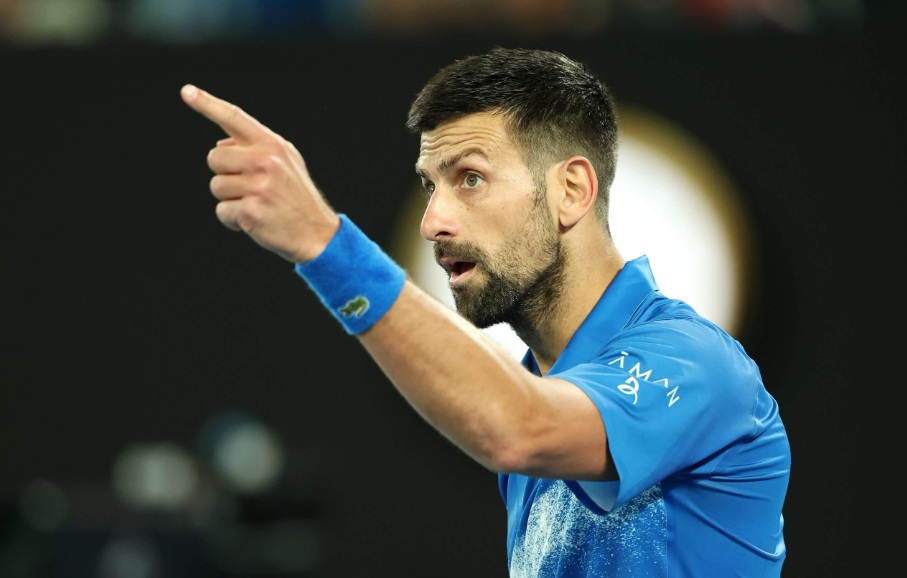

Novak Djokovic has stepped away from the leadership of his own players’ union, and part of the blame for that abrupt exit lies with Carlos Alcaraz and Jannik Sinner. Or rather: with their silence.
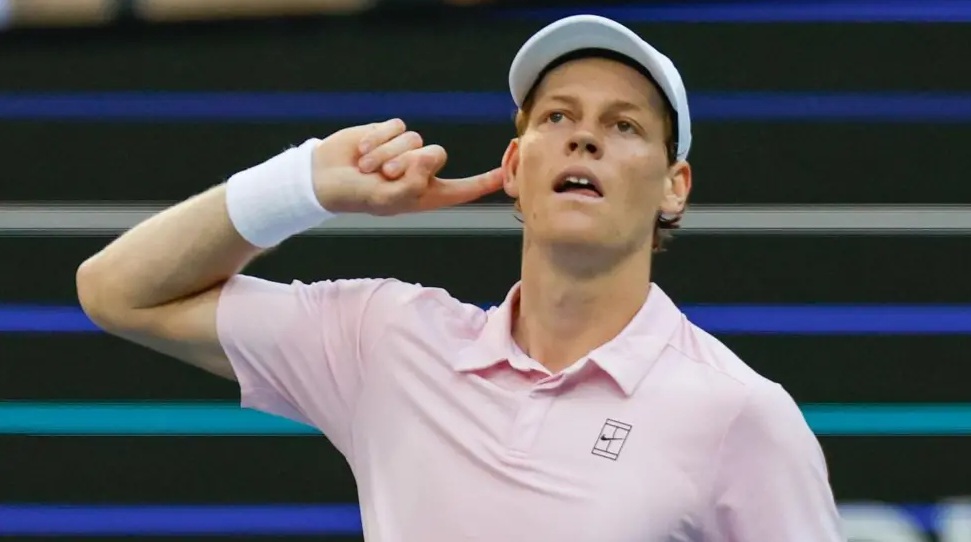
The new kings of tennis — largely responsible for Djokovic going two years without a Grand Slam title — have long ignored the Serbian’s calls as he tried to break the sport’s status quo. They want nothing to do with the union or with its lawsuit against tennis’s governing bodies. And Djokovic seems to have grown tired of always being the rebel.
If 2025 ended with the divorce between Alcaraz and Juan Carlos Ferrero, 2026 began with another major development in the tennis world: Djokovic announced that he is leaving the PTPA, the players’ organization he himself founded five years ago to revolutionise the sport. The Alcaraz–Ferrero split undoubtedly strikes a deeper emotional chord with fans, but Djokovic’s decision — and the terms of his departure from the union — say far more than one might initially imagine.
“After careful consideration, I have decided to step away completely from the Professional Tennis Players Association. This decision comes after ongoing concerns regarding transparency, governance, and the way my voice and image have been represented,” wrote the 24-time Grand Slam champion on his X account. “I am proud of the vision that Vasek and I shared when founding the PTPA, giving players a stronger, independent voice – but it has become clear that my values and approach are no longer aligned with the current direction of the organization.”

“I will continue to focus on my tennis, my family, and contributing to the sport in ways that reflect my principles and integrity. I wish the players and those involved the best as they move forward, but for me, this chapter is now closed,” added the Serbian, who will turn 39 on May 22.
In tennis, with so many organisations and acronyms, it’s easy to lose track. The PTPA is a union founded by Djokovic in 2020 alongside Canadian player Vasek Pospisil, with the aim of revolutionising the sport: stripping power from organisations such as the ATP (men’s tour), WTA (women’s tour), ITF (International Tennis Federation) and the Grand Slams, and handing it to the players, while redistributing a much larger share of the sport’s financial pie to them.
Djokovic’s lonely fight
Naturally, the PTPA’s positions ran directly against the establishment that has governed world tennis for decades. Djokovic was not uncomfortable with that confrontational stance — quite the opposite. He wanted his legacy to extend beyond records and titles. He wanted to plant the seed of a fairer, more equitable tennis world, one in which players would own their decisions rather than act as workers within a system that, in his view, exploits them.
Until then, players had a channel through which they could be heard: the ATP Players’ Council, where Roger Federer, Rafael Nadal and Djokovic himself wielded enormous influence for years, to the point that tensions between them occasionally seemed irreconcilable. Djokovic’s new union also represented a break from that structure. After years of trying to change things from within without visible results, the Serbian chose to build his own platform.
Ver esta publicación en Instagram
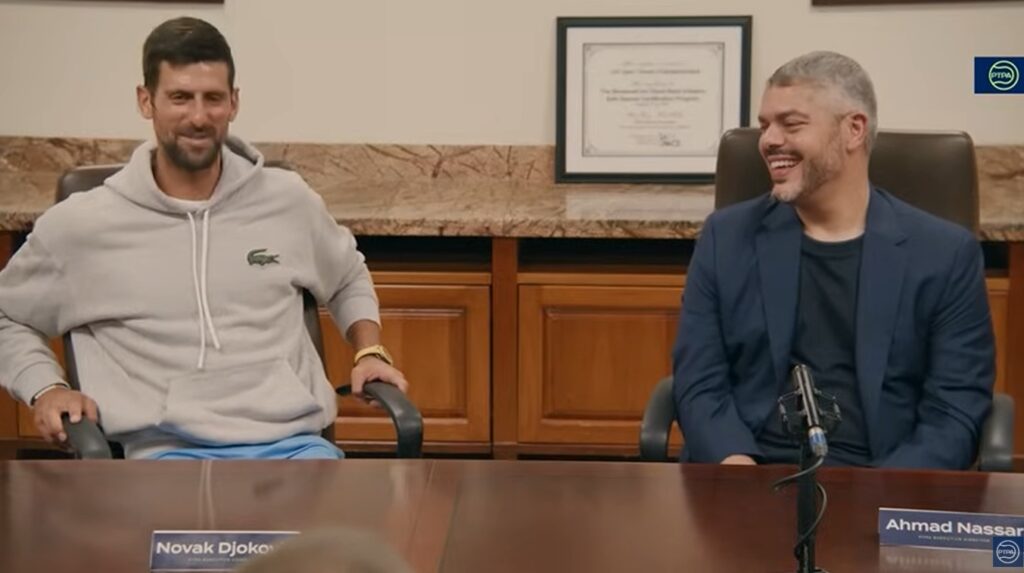
And Djokovic committed himself fully to convincing other players and spreading the message. He gave interviews focused entirely on his work at the head of the PTPA and never shied away from sensitive issues such as doping or betting. He wore himself down fighting a cause on behalf of others while continuing to break record after record to become the most successful tennis player of all time. The PTPA grew, hired Ahmad Nassar as executive director and convinced billionaire Bill Ackman to finance the union and the creation of Winners Alliance, a division designed to help players monetise their careers.
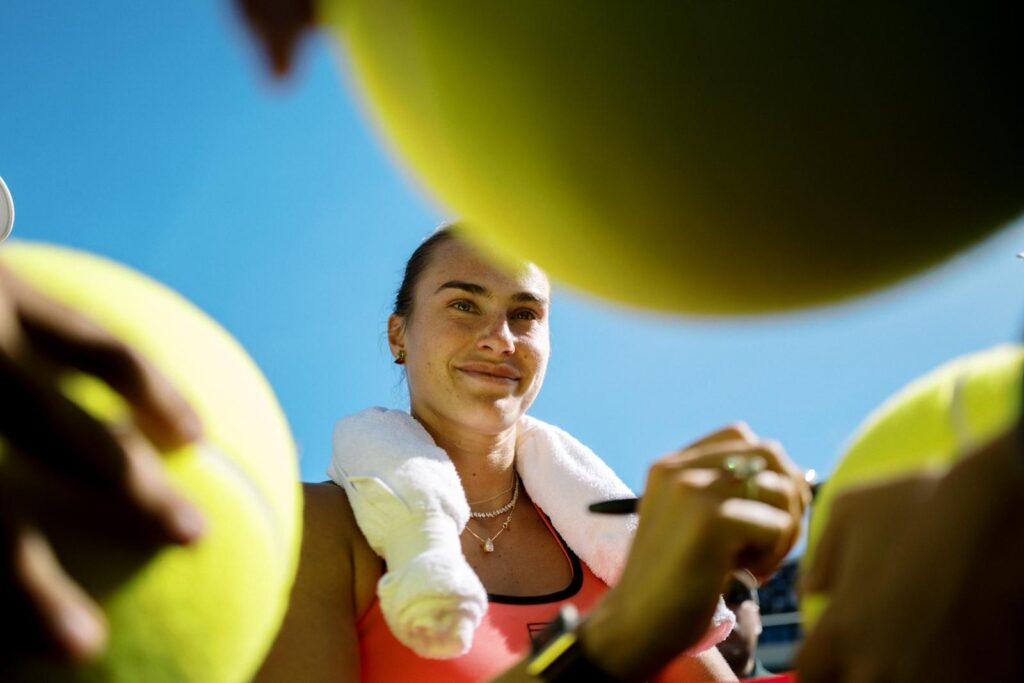
However, Djokovic’s tireless efforts did not yield the results he had imagined. He managed to convince several elite players such as Hubert Hurkacz, Ons Jabeur and Bethanie Mattek-Sands, but failed to bring the biggest stars on board — despite repeatedly calling on them to do so. Alcaraz and Sinner, the sport’s leading figures today, have been notably restrained and have never publicly supported the PTPA. Nor has Iga Swiatek. Only Aryna Sabalenka has voiced occasional support for the union, without fully committing to it.
“They express their feelings, but then you really need to put in the time and the energy into conversations, meetings, which I know it’s very difficult. I have been there, trust me, many times. But it’s necessary because then, you know, you’re doing something not only for yourself but future generations, and you’re making the right moves, the right steps and contributing,” Djokovic said during the most recent US Open.
“I support the players. But (at) the end of the day, when the players needed to be active and when there was a time of negotiations and decision-making, players weren’t participating enough.”
By the time he made those comments, Djokovic’s distance from the PTPA’s leadership was already considerable. That had become clear months earlier, when the union filed a landmark lawsuit in New York, Brussels and London against the ATP, WTA, ITF and the Grand Slams, accusing them of “operating as a cartel.” Despite being the union’s founder, Djokovic did not appear among the plaintiffs. “I felt I didn’t need to sign the letter because I want other players to step up,” the Serbian explained.
That frustration — and the lack of support — ultimately led Djokovic to walk away from his most ambitious off-court project. His departure can be read as a gesture towards the establishment, an attempt at reconciliation as he enters the twilight of his career. Perhaps he no longer wants to be the villain of the story.