

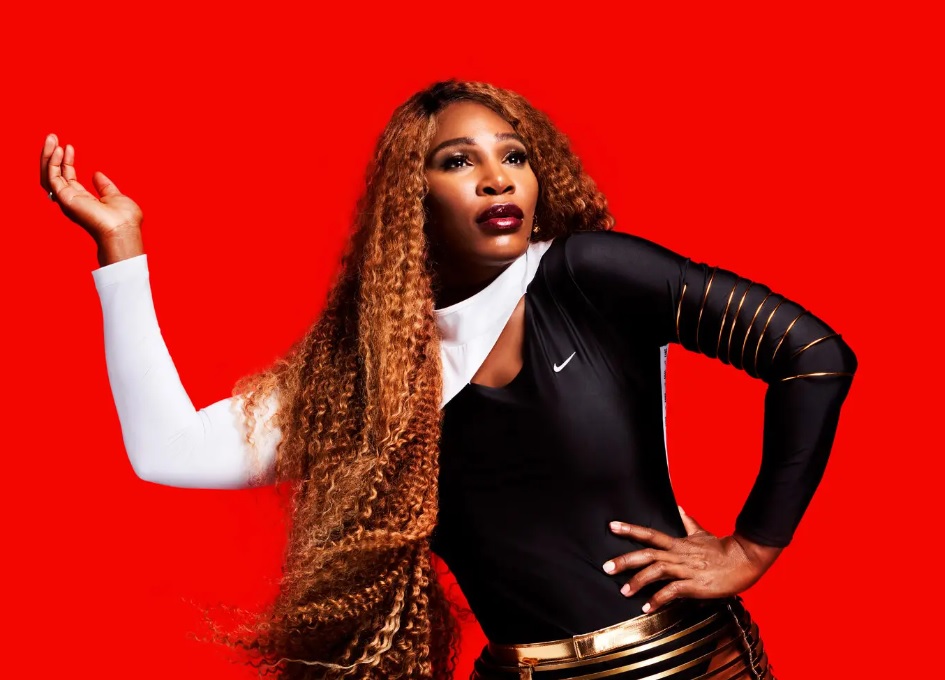

‘Serena Williams wants to play a match against you. She thinks she can beat you.’ Spanish tennis player Francisco “Pato” Clavet, winner of eight titles and ranked 18th in the world in the early 1990s, received a very strange offer while competing in the 1998 Australian Open. It was conveyed to him, verbally, by an ATP employee after Serena Williams gave a good demonstration of that defiant character that already accompanied her during that Australian summer of 1998, when she was just 16 years old and had just made her debut in a Grand Slam tournament.
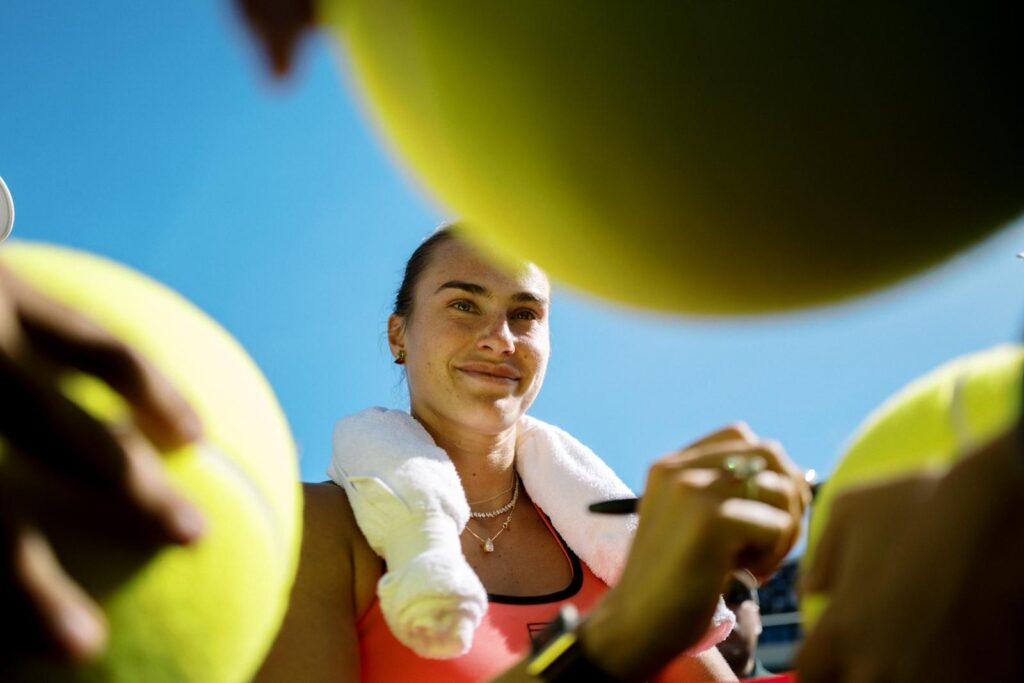
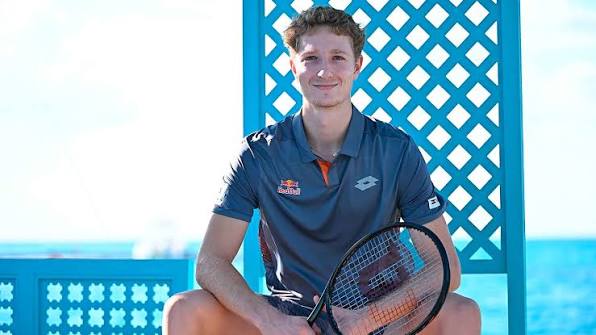
Despite being a promising young player, Serena Williams was convinced of two things: first, that she was going to be the best tennis player in the world; and second, that she was capable of beating a player in the ATP top 100. Time proved her right, and how, in the first of her convictions. There are her 23 Grand Slams, her 319 weeks as number one and her four Olympic gold medals. In the second, however, she was wrong. What happened in January 1998 in Australia is one of the lesser-known chapters in Serena Williams’ career, but it helps to understand the American’s pride and self-esteem, and it is also worth revisiting now that Aryna Sabalenka and Nick Kyrgios are set to star in a new “Battle of the Sexes” on 28 December in Dubai.
‘For me, this Sabalenka-Kyrgios match is a marketing ploy. It’s something prepared for the show, for the spectacle, but if we’re talking purely about sport, I think there’s no contest. If Kyrgios plays and intends to win, it’s practically impossible for him to lose to Sabalenka,’ Pato Clavet himself told CLAY and RG Media.
“In a normal situation, Sabalenka has no chance against Kyrgios. It’s true that Kyrgios is a player who gets distracted and is always doing silly things and playing games, and here, as it’s a show, he’ll do even more. That gives Sabalenka the opportunity to win more games than if she were facing another ATP player.‘

’But if she plays against any other top 100 player… Take the example of Jaume Munar, who is a solid player. If Munar or a similar player plays not to miss, there’s zero per cent chance. And I’d say he wouldn’t even beat a top 400 or top 500 player. In the end, there’s a huge gap. And that’s not to detract from the women or Sabalenka. She’s a great player who hits tremendous shots, often more powerful than many men. But if we take into account everything that tennis is, not just power, the difference is huge: I’m talking about physique, legs, endurance, speed, consistency of shots…”
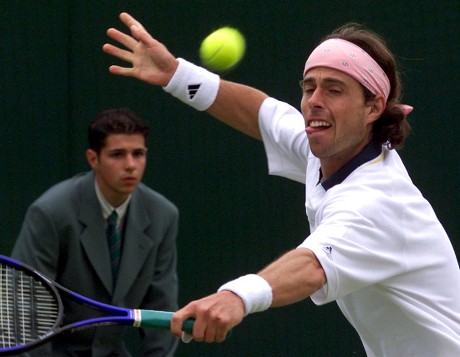
Clavet, who retired in 2003, fully agrees with the words spoken a couple of weeks ago by Garbiñe Muguruza. The former world number one and two-time Grand Slam champion said on Cadena Cope radio that even during her prime she would have lost to a junior. ‘Someone who is ranked 1000th in the ATP or unranked can be far superior to a woman who is in the top ten. Aryna has a very powerful serve, she has very powerful shots, but if you go the distance, sooner or later…’ Muguruza pointed out.
And in Clavet’s eyes, the difference between men’s and women’s tennis has remained unchanged from the era of Serena Williams to Sabalenka to Muguruza. ‘The ATP and WTA circuits have evolved in a similar way. Now everything is more powerful, faster, more physical… But there is still the same difference as when Serena’s incident happened in Australia.’
The Williams’ defeat after Clavet’s refusal
But what really happened in Australia? Why did Clavet decline the match against Serena? Who played against the American and how did they fare? Clavet first explained the story in an interview with Relevo two years ago.
‘Serena and Venus went to the ATP saying they wanted to play an ATP player from the top 100 and that they thought they could win, that they could compete. Then it came to me through the ATP. It was Serena who said, “With Pato Clavet”. She must have thought he was weak…’, revealed Clavet.
The Spaniard, who was ranked 32nd in the ATP rankings at the Australian Open, had not yet been eliminated from the singles draw and rejected the offer, convinced that Serena’s idea was utter nonsense. ‘I took it as an anecdote, I mean, I didn’t know if they had really said it seriously or if they had said it as a joke…’
Faced with Clavet’s refusal, the ATP found Serena a more modest opponent, Germany’s Karsten Braasch, then ranked 203rd on the men’s tour. The German, who had been eliminated in the first round in Melbourne, had a few days off and accepted. Braasch beat the young Serena Williams 6-1 and then defeated her sister Venus 6-2. The German even said that hours earlier he had been playing golf and drinking a few beers. ‘I hit shots that would have been winners on the women’s circuit and he returned them easily,’ Serena said afterwards, surprised. ‘Next time I’m going to beat him, I have to gain a little weight.’ But there was no next time: that day Serena discovered that even she had limits.