


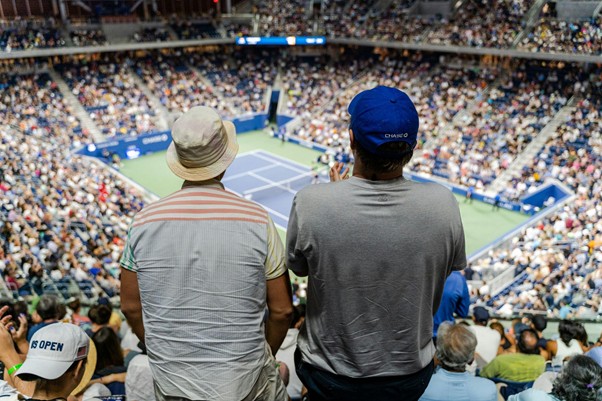

In the world of professional tennis, bookmaker algorithms calculate odds based on historical data and the current score, yet they often miss the human factor, visible to the naked eye. But there is something more: the nuances of body language and the shift of initiative, which statistics simply cannot capture.
Why tennis is a pattern sport (and why odds don’t always catch up fast enough)
For algorithms that manage live lines, a match is just a set of numbers. Machines handle math perfectly, but they struggle to “read” the context of the moment. And while humans cannot outplay computers in calculation speed, they surpass them in understanding the nature of the game, seeing fatigue where statistics only register a lost point.
Live betting perspective: turning patterns into smarter timing
The fan of tennis who is a follower of form, surface preferences, and head-to-head statistics may be aware of the swings of momentum well before bookmakers update their numbers. That’s why many seasoned bettors pay close attention to expert opinions on online gambling trends, especially when those insights connect player data, scheduling, and live odds movement during key tournaments. When you combine your own match analysis with this kind of long-term trend monitoring, it becomes much easier to distinguish between value opportunities and risky bets driven purely by hype.
“Eye test” signals that matter more than stats
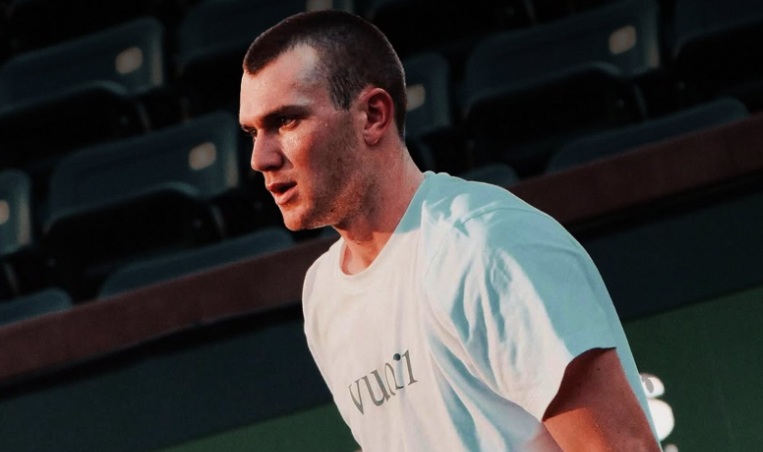
Statistics may tell us that a player won 70% of points on the first serve, but they won’t reveal how he felt in the last five minutes. Visual analysis, or the so-called “eye test,” allows us to notice physical discomfort long before the physiotherapist is called. If a player known for his fast pace starts wasting time, taking too long to choose balls, or wiping his face with a towel after every rally, it is a clear signal of lost concentration or physical exhaustion.
Matchup patterns fans learn over time
Player rankings often mislead, failing to account for how inconvenient a specific opponent can be. Statistics may suggest an advantage for the server on fast surfaces, but if the receiver has a unique ability to block the ball deep into the opponent’s feet, the entire “serve and volley” strategy can collapse.
At the same time, there are players who simply cannot play against certain opponents because of a “complex.” This is not always reflected in fresh data, but the history of head-to-head encounters remembers long five-set battles where the same player broke down at decisive moments.
Surface and conditions: the invisible opponent
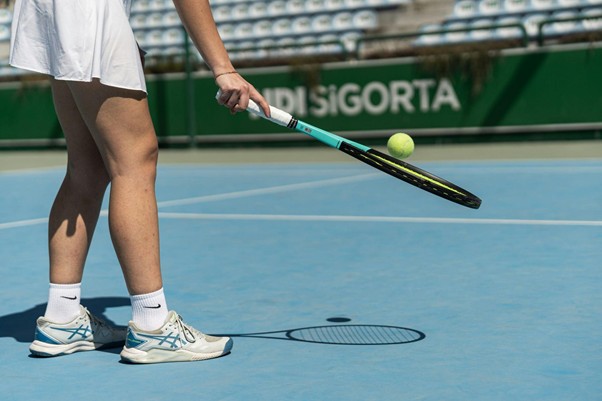
Clay at Roland Garros on a dry sunny day and the same clay after rain are two different surfaces with different bounce and speed. Air humidity, wind, crowd noise, and floodlights — all of this directly affects the game and the understanding of how a particular player reacts to external irritants, giving a key to the dynamics of the match as a whole.
Injury, fatigue, and micro-tilt: reading the physical story
The absence of a jump on serve (serving only with the arm), heavy breathing after short sprints, or constant attempts to lean on the racket like a cane — these micro-signals show that the fuel is running out, and in a long match, the chances of such a player dropping to zero.
Psychological “tilt” also has its warning signs. It is not always a broken racket. Often, it is just sarcastic smiles toward the player’s box, long arguments with the umpire over minor issues, or a blank stare into nowhere.
Common fan traps that make patterns look clearer than they are
Our brain loves to search for patterns even where none exist, which is clearly visible in the example of 13 phantom players of the WTA, where real athletes remain “silhouettes” in rankings without photos, but fans start inventing stories and meanings for them. The same happens when analyzing the game. That is why we have prepared a table to help you distinguish false signals from real factors that influence play:
| Observation type | What fans usually think | What reality often suggests |
| Medical timeout | The player is injured and will likely lose the set | Often, a tactical pause is used to disrupt the opponent’s rhythm or reset their mental state |
| Angry body language | The player is tilting and giving up on the match | Some players (e.g., Rublev, Djokovic) use anger to heighten focus and adrenaline |
| Loss of the first set | The favorite is in bad form today | Top seeds often use the first set to probe opponent tactics before adjusting |
| Ace streak | The server is unbeatable right now | Serve streaks are volatile; focus on the second serve win percentage for true stability |
It is worth noting separately that one should be cautious with “name bias.” We tend to forgive mistakes made by top players, expecting them to switch on at any moment, while underestimating the momentum of lesser-known competitors. Always cross-check your impressions with objective factors.
A simple pre-match pattern checklist for any tennis fan
To avoid getting lost in the flow of information during a match, it is best to prepare your homework in advance. We recommend going through the following points before watching a match:
- Current form on the specific surface: Not overall yearly stats, but results from the last 3-4 weeks on clay or hard;
- Head-to-head history: Does the opponent have an uncomfortable style that has historically given your favorite some issues;
- Weather conditions: The speed of the wind, the temperature, and the humidity, on which the benefits in power or technique can be nullified.
Thus, by entering a match with a prepared knowledge base, you will not just react to every point but compare what is happening with the expected scenario. If reality starts to diverge from the plan, that is the very signal you are looking for.
Conclusion: the smartest fans don’t predict perfectly — they read better
The ability to read a tennis match is not a gift of foresight but a skill trained through years of observation. The most successful observers do not try to guess every rally; they look for moments where the probability of an event diverges from the market’s common opinion. Start paying attention to body language and micro-moments in your next broadcast, and you will see the game in a completely new way.