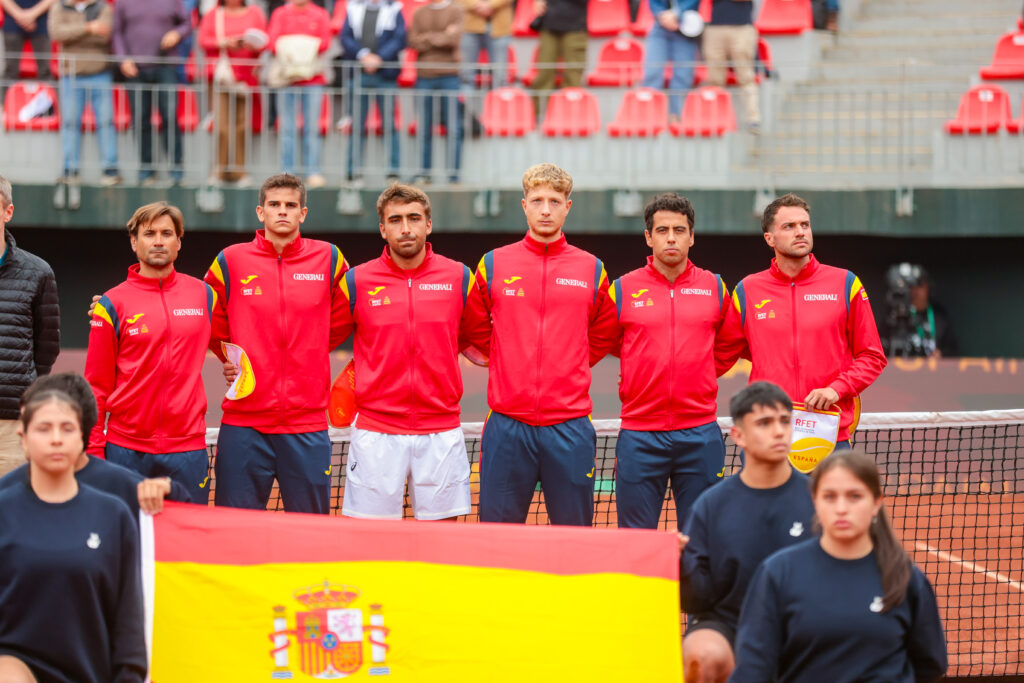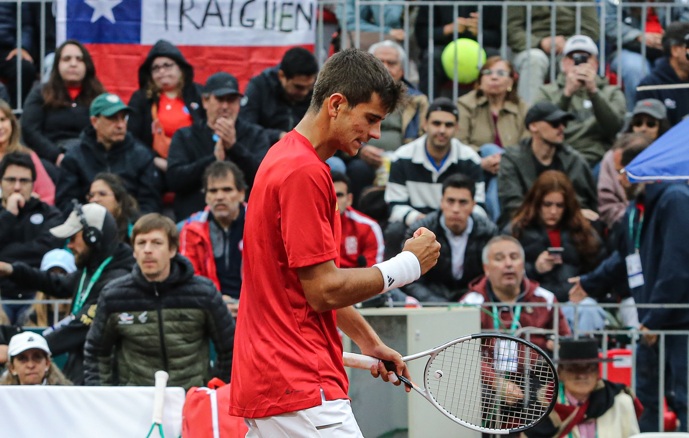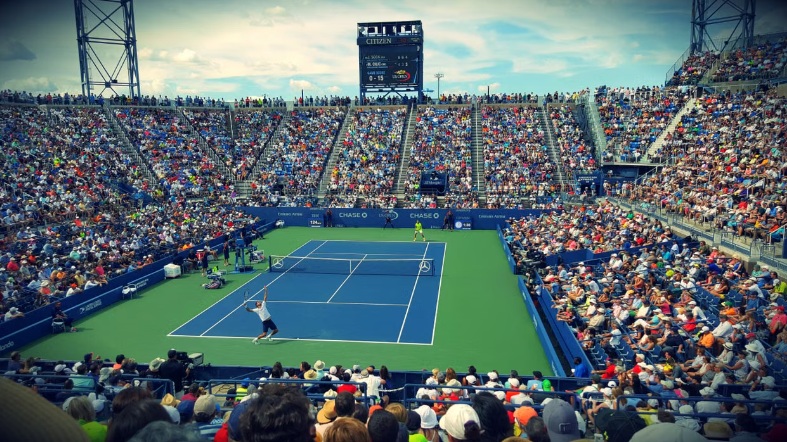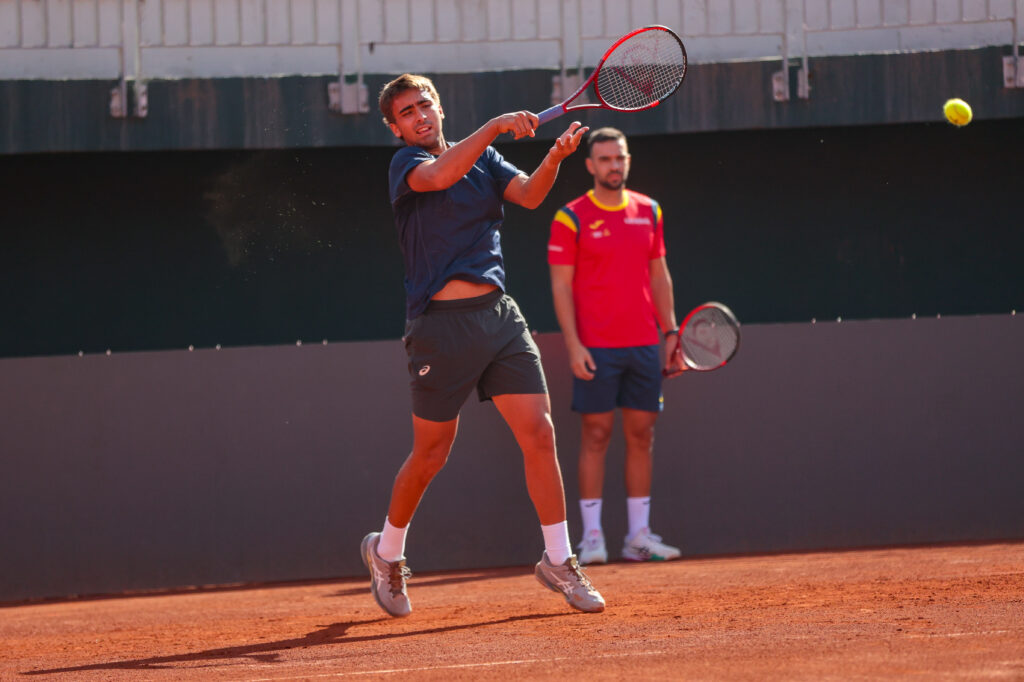




Tennis dominates racket-sport betting, with 59 ATP Tour tournaments in 2026 alongside the four Grand Slams. Padel and table tennis have smaller markets, yet their faster scoring and different match formats can produce very different in-play odds. Looking at pace, volume and price movement shows just how differently these three sports behave once the action starts.
Tennis has the biggest betting ecosystem
Tennis has a huge supply of matches for bookmakers to price. The 2026 ATP calendar runs from January through November, with events ranging from the Australian Open and Wimbledon to Masters 1000 tournaments in Indian Wells, Miami, Madrid, Rome, Cincinnati and Shanghai. The WTA calendar adds another major stream of professional matches, while Challenger and ITF events extend coverage well beyond the biggest tournaments.
This scale supports a wide range of markets. Match winners sit alongside set betting, game handicaps, total games, correct scores and player props. Tennis also produces plenty of usable statistics, including first-serve points won, break points, service games won and return games won. For bettors, that means there is a lot of historical data to work with before a match even begins.
Live betting follows the sport’s scoring structure. A single point can matter, especially on break point or at the end of a set, yet most points have a relatively small effect on the overall match price. A break at 4-3 can shift the odds sharply because the player who moves ahead has changed the likely path to winning the set.
Padel is building its own market
Padel’s professional betting market is younger, and its 2026 calendar shows how quickly the sport is expanding. Premier Padel began the year with a 26-tournament schedule across 18 countries, including new stops in London and Pretoria. The current calendar has since moved through major events in Rome, Valencia, Málaga, Pretoria and London, with the Madrid P1 running from August 29 to September 6. Paris, Rotterdam, Milan, Kuwait, Dubai and Acapulco follow later in the season.
There is another important change for anyone comparing padel markets in 2026. The sport introduced the Star Point scoring system, which limits extended deuce battles. After two advantage sequences, a single decisive point determines the game. The system was introduced on the Premier Padel circuit at the Riyadh P1 in February, and it also applies across other FIP circuits.
That can matter when looking at late-game odds. Padel already has four players on court, so partnerships, positioning and tactical matchups influence every rally. The Star Point adds another fixed pressure point when a game reaches deuce, giving the live market a specific score situation to price around.
Table tennis moves at another speed
Table tennis compresses the scoring cycle even further. Under the ITTF Laws, a game goes to 11 points, with a two-point lead required at 10-10. A match consists of an odd number of games, so formats can vary, with major events often using best-of-seven matches.
That makes a short scoring run much more important. Going from 7-7 to 10-7 takes only three points, yet the player in front is suddenly one point from winning the game. In tennis, reaching an equivalent late-game advantage generally takes a longer sequence of points and games.
You can find more details on table tennis markets and how their rapid points create very different in-play odds. The current ITTF calendar also provides a steady stream of matches, with WTT Contender Almaty running from September 1-6, youth events in Australia, Tunisia, Ecuador and Puerto Princesa during the same week, followed by WTT Feeder Puerto Princesa from September 8-12.
Why live odds behave differently
The scoring structure explains much of the difference in live pricing. Tennis gives the market a series of checkpoints, with games, breaks and sets gradually changing the expected result. A player who breaks serve at 5-4 has a clear advantage in the set, while a point at 15-15 usually has a much smaller effect.
Table tennis gives the market more frequent reasons to adjust. A run of three or four points can take a player from level terms to game point, and those changes happen quickly. Near the end of a game, each point carries even more weight because there are so few points left before the result is decided.
Padel falls somewhere between those two in its basic scoring rhythm. Its tennis-style games and sets make the market easier to follow for tennis bettors, while doubles play creates extra variables. A pair can target one opponent, change its court position or alter its approach at the net, all of which can affect the flow of a match.