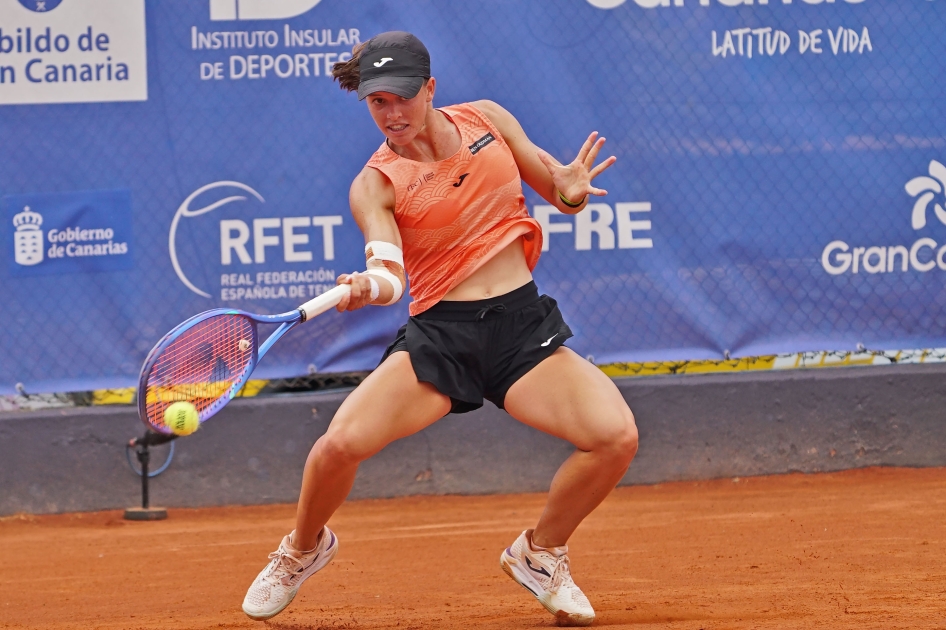


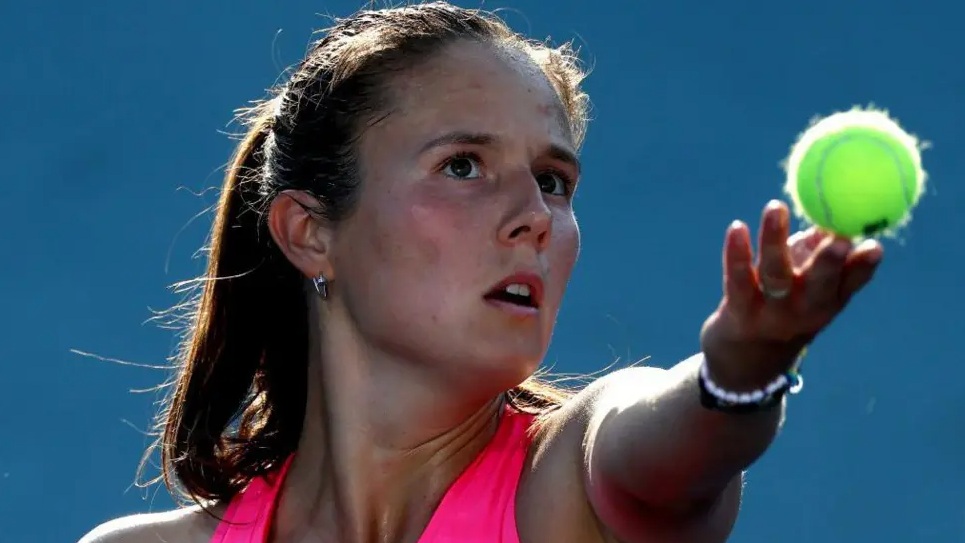

BRISBANE – Daria Kasatkina acknowledged that players have no influence over Saudi Arabia’s growing presence on the WTA and ATP calendars.
“As players, we don’t have much voice in questions like that. Our organizations want to do business, and we, unfortunately, don’t have a say,” the world No. 48 said in Brisbane, asked by CLAY.
“We are players, we want to play tennis, we need to earn money and provide for our families, so I would say we’re somewhere in the middle. We are the ones who have to go there and play, it’s our job, and we are pretty limited in terms of where we can go and where we can’t go,” she added.
In March 2025, Kasatkina took Australian nationality due to the restrictions faced by LGBTQ+ people in Russia. “If I wanted to live a free and open life, the way I wanted, unfortunately I couldn’t do that in Russia,” she told The Guardian in May. She was also one of the few Russian players to openly oppose Russia’s invasion inUkraine.

Saudi Arabia criminalises homosexuality and has restrictive laws affecting women.
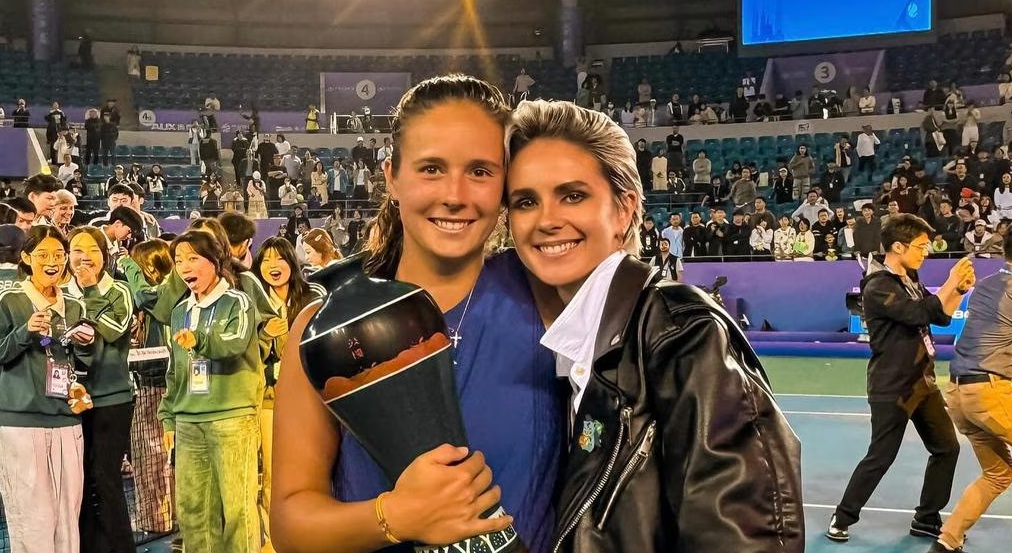
Seeing the glass half full? For the former world No. 8, Saudi Arabia hosting major sporting events can represent an opportunity for young Saudi women.
“For me, the good thing here is if we can come to a country like that and show young girls who are there, trying to play tennis or practise other sports, that it’s actually possible, that it’s not that far away,” she explained.
Since 2025, the country has hosted the WTA Finals, and in 2028 it will stage a new Masters 1000 event on the men’s tour.
“If we just cut off the opportunity, they’re not going to move forward for sure. They were already not in the best situation, and now we would say, ‘OK, no, nothing is for you, I’m sorry.’ But if we can support those girls and show them that their opportunities are actually not that far away, for me that’s a good thing. And if we can improve that, that’s also good. I try to think that way,” Kasatkina said.
Ver esta publicación en Instagram
While Saudi Arabia’s arrival on the men’s tour has largely been criticised from a financial perspective, the debate on the women’s side has gone much deeper: the question of legitimising, through sport, a country with significant restrictions on women’s and LGBTQ+ rights.
Legends such as Billie Jean King, Martina Navratilova and Chris Evert have spoken out strongly against the alliance.
Kasatkina, for her part, offered a balanced view on one of the most controversial issues in tennis, as she competes for the first time on Australian soil as a local resident.
Follow our 2026 Australian Open coverage on Instagram, X (Twitter) and Facebook.